Stay in the loop
Get the latest news, feature updates, and exclusive promotions.

Learn project management step by step with tools, strategies, and tips tailored for small business owners.

Project management can change the game for small business owners. It helps turn scattered thoughts and daily to-dos into clear steps. These steps lead to real progress.
Whether you’re launching a new product, planning a marketing campaign, or optimizing internal processes, project management helps you achieve your goals faster and with less stress.
For small businesses, it’s not just about ticking off tasks. It’s about reaching your goals, using your limited resources wisely, and being able to handle problems when they pop up.
Without a plan, you may miss deadlines, go over budget, or feel burned out.
This guide will walk you through the entire project management process, from the initial idea to evaluating its success. You’ll learn:
Ready to take control of your business projects? Let’s begin.
Project management is the foundation of any strong small business.
In simple terms, it’s the process of planning, organizing, and tracking work to reach a goal within a set time and budget.
But here’s the problem: only 23% of companies use project management software regularly. That means many small businesses miss out on key benefits.
LuAnn Nigara, an expert in business systems, says:
“Documenting systems and processes isn’t just a time saver; it’s the foundation for scaling your business.”
For small business owners, that means project management helps you grow and adjust with less stress.

Following the steps one by one keeps your project organized. Here’s what to do:
Setting clear goals is the first and most important step.
Research shows that projects with clear goals and active involvement from stakeholders have a 74% success rate.
How to define your project:
Use SMART goals. That means:
Example: Instead of saying, “Improve customer service,” say, “Reduce complaint response time by 30% in 6 months.”
Most small businesses have small teams. So it’s important to be clear about who does what.
Good teamwork is key.
Use tools like Slack or Microsoft Teams to keep communication easy.
For small teams, simple but regular updates help everyone stay on the same page.
Think of your project plan as a roadmap. It should include:
You don’t need a huge, complicated plan. A short, flexible one works best for most small businesses.
Project management tools make this step easier. Some popular options:
These tools help you:
Pro Tip: Siddhify is great for small teams. It combines task tracking and team collaboration in one mobile-friendly platform.
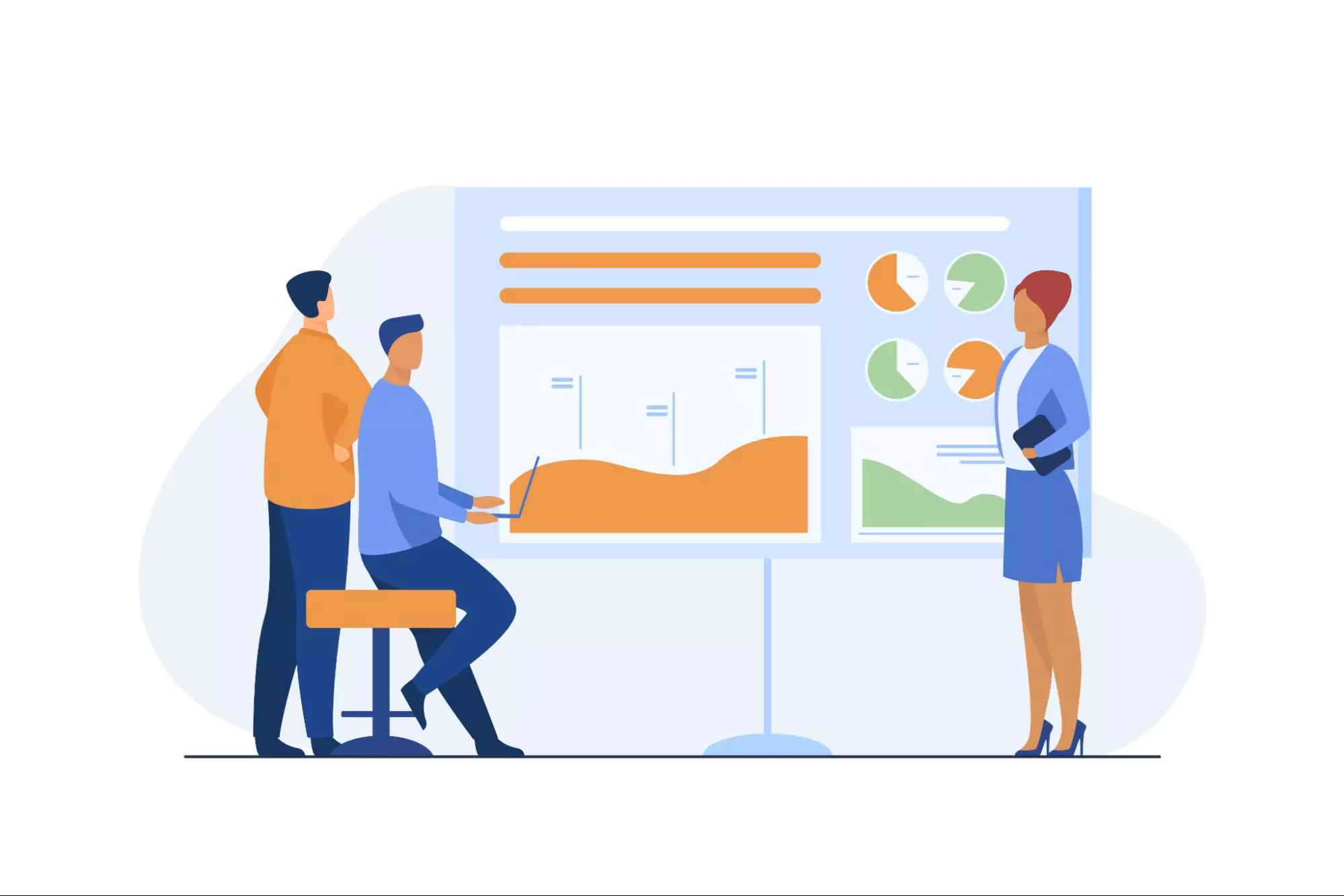
Keeping an eye on progress helps you stay on track.
What to do:
Use tools like Trello, Asana, ClickUp, or Siddhify to make tracking simple. These platforms are built for small businesses and make it easier to see what’s done and what’s still pending.
When the project is finished, take time to review it.
Here’s how:
This review can help you improve your planning and execution next time.
Using the right tool can save time and avoid confusion. Here’s a quick comparison:
Tool | Ease of Use | Pricing | Key Features | Best For |
Trello | High | Free & Paid Plans | Kanban boards, task tracking | Visual project workflows |
Asana | Medium | Free & Paid Plans | Task assignments, timelines | Team collaboration |
ClickUp | Medium | Free & Paid Plans | Custom dashboards, Agile support | Flexible and scalable projects |
Siddhify | High | Affordable Plans | Task management + mobile collaboration | Small teams needing optimization |
Maki & Ramen, a small restaurant chain in the UK, faced challenges in managing its expanding operations. As the business grew, coordinating tasks across multiple locations became increasingly complex.
To address these issues, Maki & Ramen adopted project management tools to enhance their operational efficiency. By implementing these tools, they were able to:

Picking the right project management tool for your small business is about more than just flashy features, it’s about finding a solution that fits your current needs while supporting long-term growth. Here’s how to evaluate the right tool based on key criteria:
Pick something your team can learn quickly. If a tool feels too complex or requires weeks of training, it may kill productivity instead of boosting it.
A tool that’s easy to adopt encourages team buy-in and reduces the need for long onboarding sessions. For small teams wearing multiple hats, quick learning is essential.
Many tools offer free or low-cost plans, which are ideal for small business budgets.
Cost-effective tools like Trello or Siddhify offer strong core features without breaking the bank. Use those savings to invest in training or marketing instead.
Choose a tool that can grow with your business. Even if you’re starting small, your project management tool should support increasing complexity as your team and workload expand.
Pro Tip: If you plan to scale operations in the next 6–12 months, select a platform like ClickUp or Siddhify, which offer advanced features as you need them, without requiring a complete system switch later.
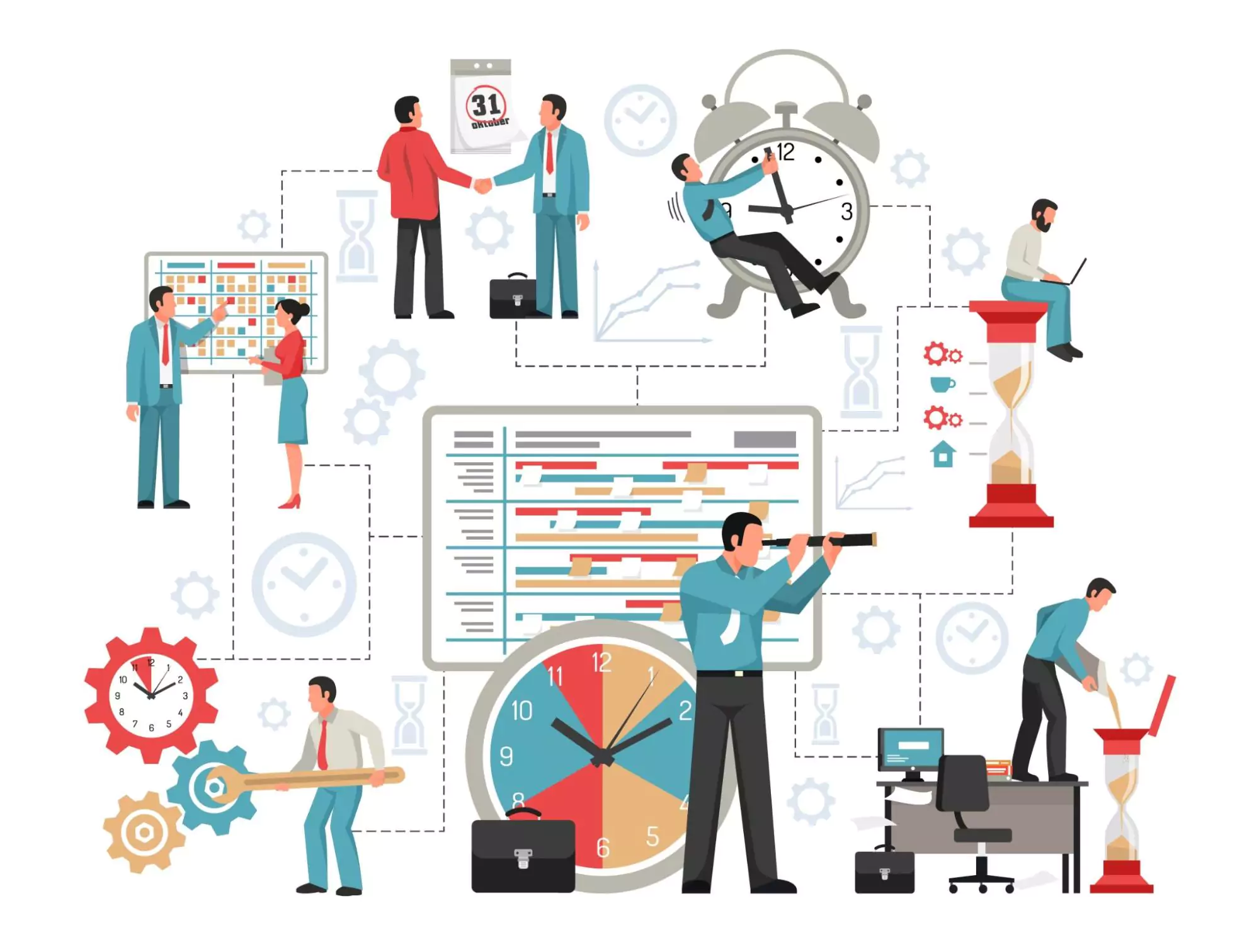
Some small businesses avoid project management. They think it’s too hard or takes too much time.
But you can keep it simple:
When done right, project management becomes part of everyday business, not a burden.
Even with good plans, small businesses can run into problems.
Jason Fried, founder of Basecamp, says:
“Keep things simple and test your ideas fast. Don’t over-plan—get feedback early and iterate.”
Here’s how to make sure your project runs smoothly:
When you use these tips along with project management tools, your business can move faster and grow more easily.
A: Start with one project. Set clear goals, build a team, use a flexible plan, and pick tools that fit your needs. Agile methods work great.
A: Trello, Asana, ClickUp, Monday.com, Siddhify, and Jira. Trello is simple; ClickUp is flexible; Jira is good for software teams.
A: Agile allows faster results and better feedback. It has a 71% success rate compared to traditional methods.
A: Making things too complex, not talking to stakeholders, and poor use of resources. Keep it simple and stay in touch with your team.
Using project management step-by-step can help your small business succeed.
Set clear goals, work with your team, choose the right tools, and follow a flexible process. This leads to better execution and more growth.
Start simple. Use helpful tools like Siddhify to make things easier and smoother.
Project Management Step by Step for Small Business Owners: From Idea to Execution
Join thousands of entrepreneurs and professionals managing their work and life in one place — with the motivational power of gamification built right in.
⚡ Try Siddhify Free TodayNo credit card required · Set up in minutes