Stay in the loop
Get the latest news, feature updates, and exclusive promotions.
Learn the full project management process from start to finish. Discover tools, methodologies, real-life case studies, and startup strategies for success.
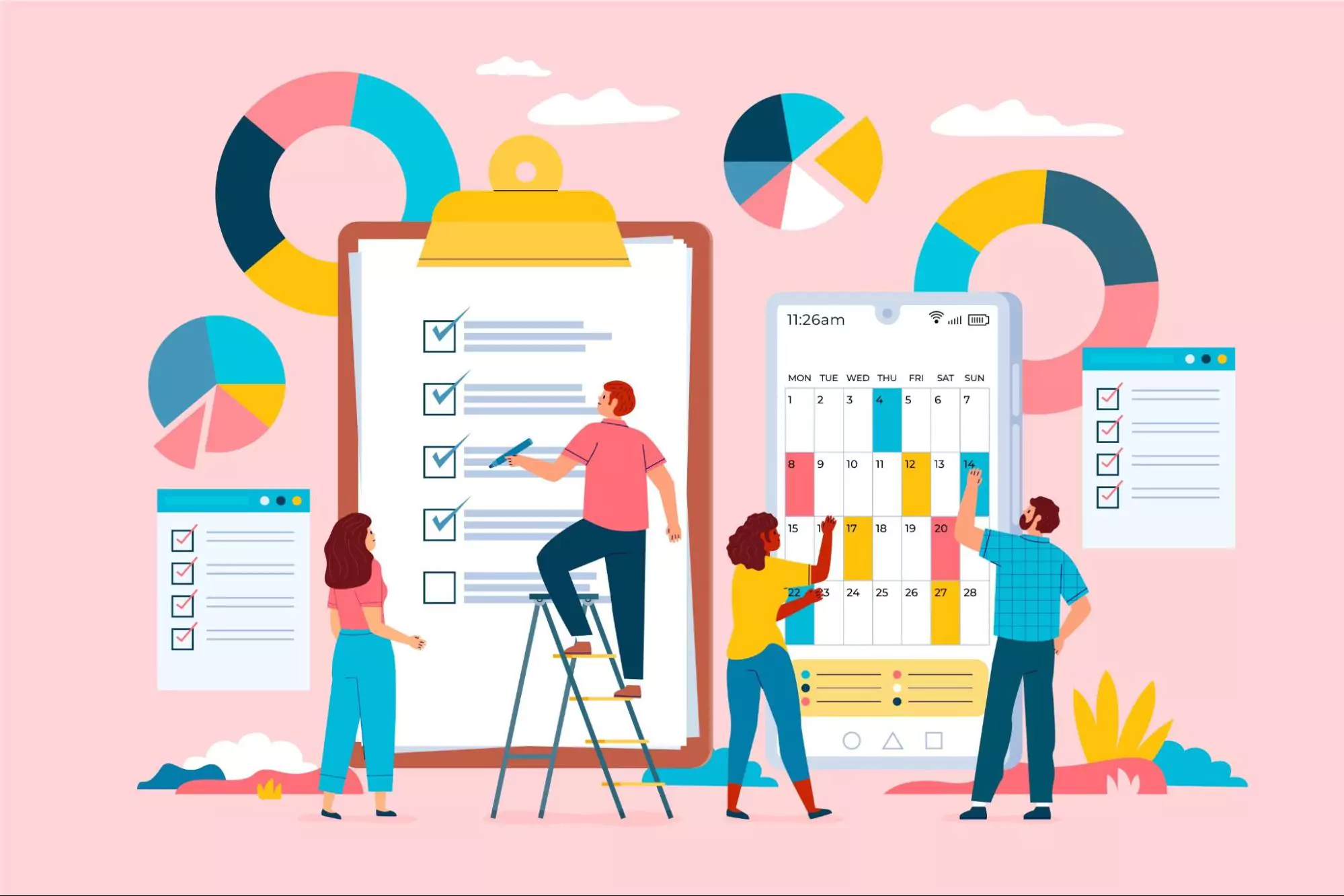
Projects fail more often than they succeed. Surprised? Maybe not, especially if you’ve worked in a startup or a fast-moving team.
Across the world, almost 70% of projects don’t meet their original goals within a year. That leads to over $15 trillion wasted in time, money, and lost chances.
But here’s some good news: Teams that follow a clear project management process waste 28 times less money. That’s not just a number, it’s a map to better results.
This guide will help you understand how the project management process works from start to finish. You’ll learn:
We’ll also include real-life examples, expert tips, and easy strategies to follow.
Project management means planning, doing, and finishing work to reach a goal. It happens within a certain time and budget.
Whether you’re launching an app, building a website, or opening a new store, every project moves through key steps.
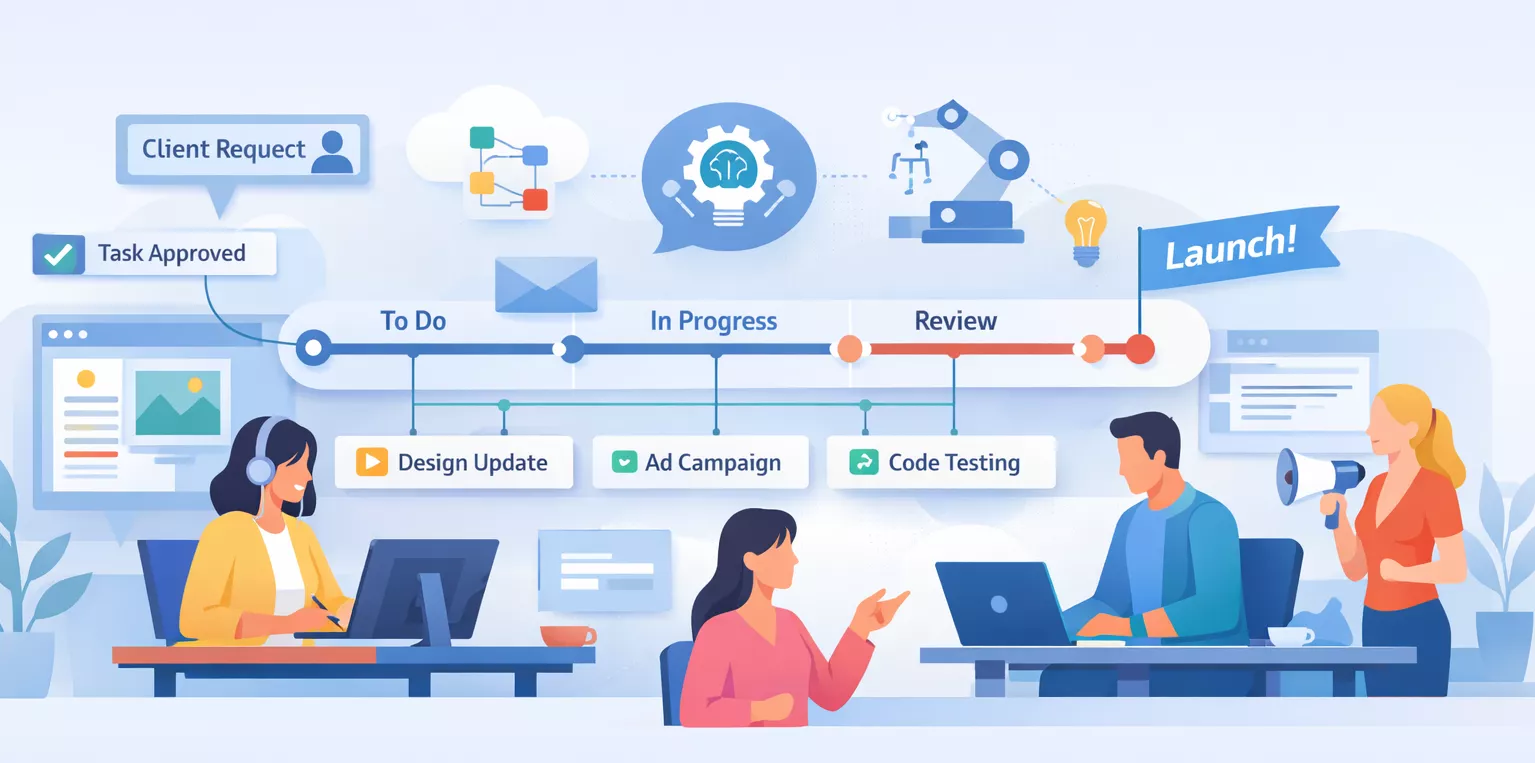
Startups move fast. But even fast teams need structure. Here are the five main stages of a project:
Projects don’t always move in a straight line. You might go back and redo some planning after a test version fails. That’s totally normal, especially for startups.
The trick is to stay flexible but still keep enough structure to move forward.
One of the biggest choices startups face is picking a project management method. Should you choose Agile, stick with Waterfall, or mix both in a hybrid approach?
| Method | Pros | Cons | Best For |
| Agile | Fast changes, regular feedback, great for MVPs | Can get messy without structure | Startups, tech teams |
| Waterfall | Clear steps, easy to follow, good records | Not flexible, long timelines | Manufacturing, regulated industries |
| Hybrid | Mix of speed and structure | Needs strong team coordination | Cross-team startups, fast-growing companies |
Agile is the favorite in the startup world. Over 70% of startups use Agile, and 66% of Agile teams use Scrum.
Still, Waterfall isn’t outdated. It works well when your project needs strict planning or rules.
Hybrid models are becoming more popular too, used by around 60% of businesses. They mix the best of both methods: Agile’s speed and Waterfall’s structure.
Ask yourself:
If you’re new, start with small Agile sprints. As you grow, mixing structured phases can help you avoid chaos and burnout.
Project management tools can help teams get more done, faster. But here’s the problem: Most teams don’t use them well, or at all.
Reports show that high-performing projects use PM tools 77% of the time. But only 22–25% of teams use those tools the right way.
Here’s a list of tools that work well for small teams: Early-stage tools:
For growing teams:
Important Features to Look For:
Just buying tools isn’t enough.
“Don’t just buy tools. Train people to use them with purpose.” — projectmanagementreport.com
That’s why tools like Siddhify stand out. It’s made for startups and small teams. It uses AI to help with workflows and has simple dashboards. So your team doesn’t just track work, they finish it.
Good project management helps you:
Each step has its own purpose, but they all connect to help your project stay on track and on budget.
It’s not because your team isn’t smart enough. Most failures come from people and process problems, like:
Startups can:
A hybrid model mixes Agile’s fast pace with Waterfall’s step-by-step structure. You can run quick sprints but still have clear deadlines and check-ins. This works great for startups that need to move fast but still meet business or legal requirements.
Even with the best tools, human thinking errors can derail projects.
Here are a few common ones:
One fix? Use reference class forecasting. Look at how similar projects went in the past and plan based on that.
“Startups often design fantasy plans, then reality hits.”
Understanding these mental traps can help you deliver on time and with less stress.
Do you need a PMP certification? Many startup leaders say:
“PMP is overrated, give me someone who can lead a team.”
The truth: Both skills and certificates matter, but soft skills often make the bigger difference.
Grandview Research found that PM training is:
So yes, certifications help, but leading people well matters even more.
✅ Choose a method that fits your team size and pace
✅ Start lean. Trello or Notion work great at first
✅ Run retrospectives after each sprint or milestone
✅ Review risks early and often
✅ Use reference class forecasting
✅ Create a feedback-friendly culture
✅ Invest in leadership and soft skills, not just certificates
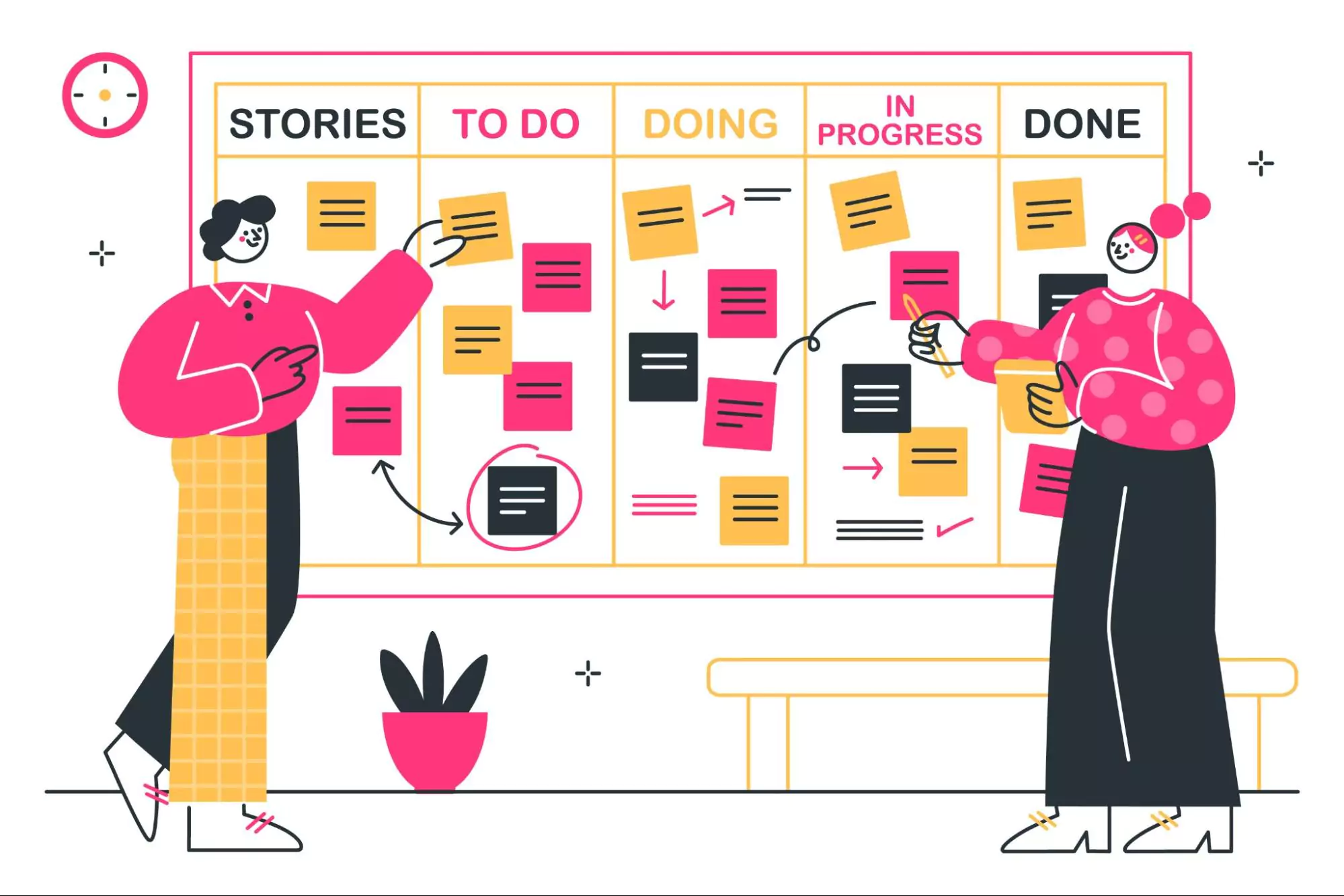
Start small. Pick one tool like Trello. Have one weekly check-in. Focus on progress, not perfect plans.
Not always. Agile without structure can become messy. Hybrid methods often give startups flexibility and control.
No. Real experience, people skills, and adaptability matter more in most startup settings.
Scope creep is when extra tasks are added without a plan. Avoid it by writing a clear scope doc and reviewing it each sprint.
Yes. That’s called a hybrid model. It’s great for teams who need flexibility but also want structure.
Trello or Notion. Both are easy to use, flexible, and perfect for small teams.
List possible risks early. Track them with your team. Use historical data to make smart plans.
Getting project management right isn’t just about tools or charts. It’s about being clear, staying focused, and leading well.
Here’s your winning combo:
These things reduce risk and help you move faster, with less stress.
Ready to get started?
Pick your method, choose your tools, trust your team, and work smarter, not harder, with Siddhify, the AI-powered project management tool built for startups and small teams.

Understanding the Project Management Process from Start to Finish: Stages, Tools, and Startup Strategies
Join thousands of entrepreneurs and professionals managing their work and life in one place — with the motivational power of gamification built right in.
⚡ Try Siddhify Free TodayNo credit card required · Set up in minutes