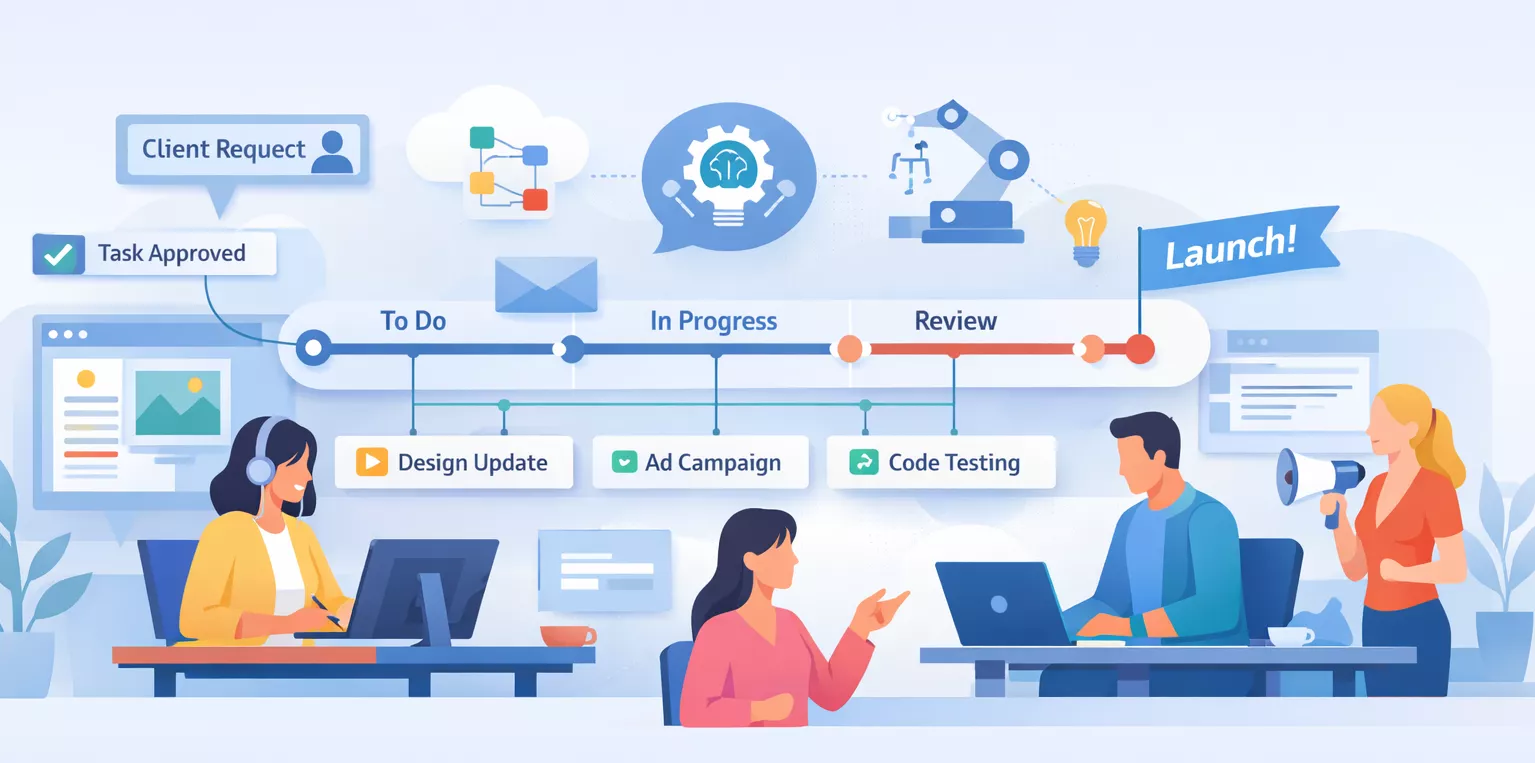
Learn 10 proven workload planner tactics that improve team productivity, balance resources, and prevent burnout. Includes tools, case studies, and expert insights.

More than 80% of professionals say they feel buried in work. Asana’s Anatomy of Work Index reveals that many knowledge workers frequently approach burnout.
When teams lack a clear workload planner, stress increases. Deadlines get missed. Productivity drops.
If you’re an entrepreneur, founder, CEO, manager, or professional who wants both high team productivity and a balanced personal life, this guide is for you. Here, you’ll discover 10 proven workload planner tactics. These will help you manage resources, keep workloads fair, and succeed in projects – while also protecting your well-being.
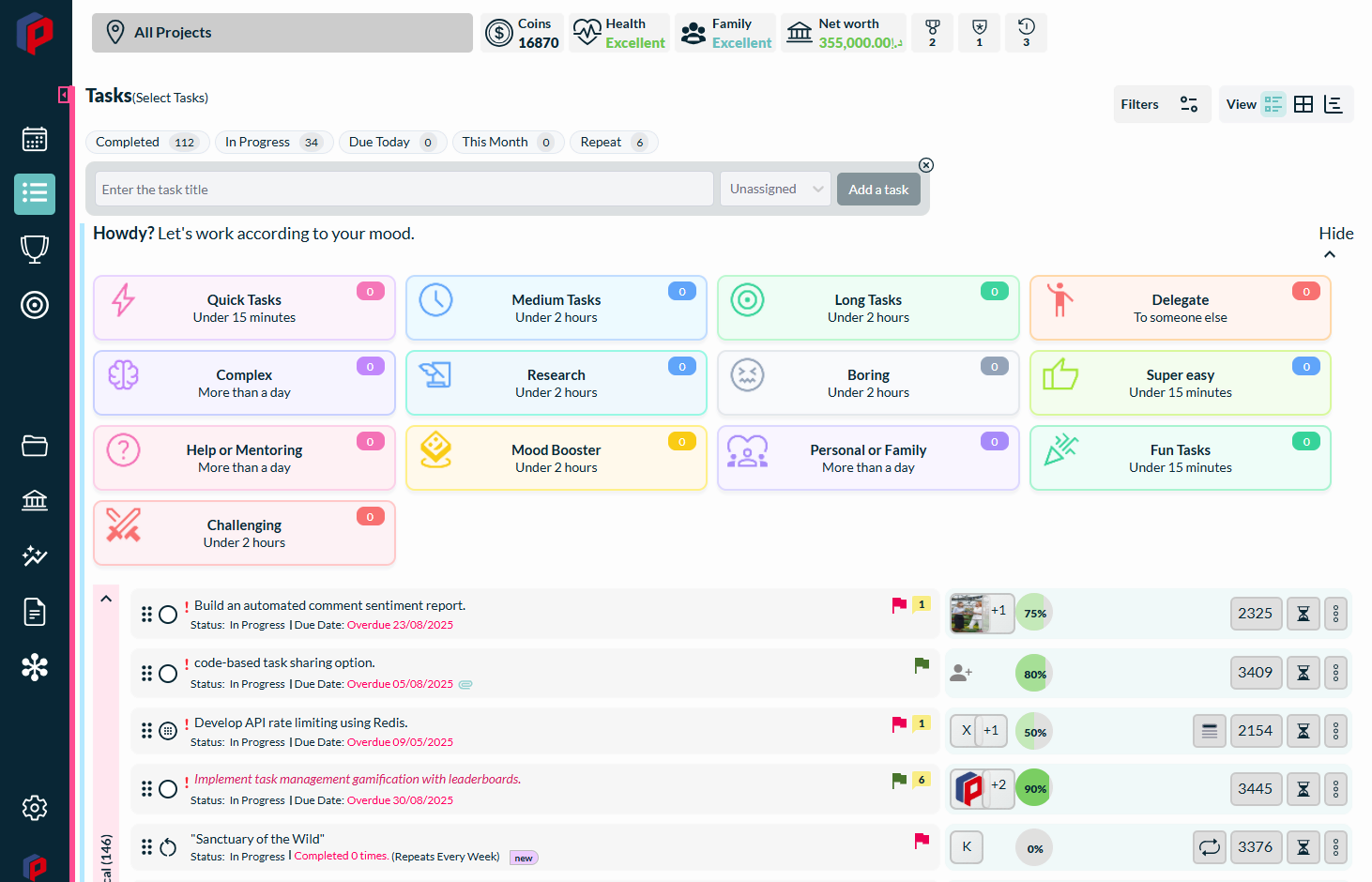
Meet Siddhify: a modern work planner built for more than just tasks. It connects team planning, wellness culture, and even family management. The result? A single platform where leaders and employees stay productive without burning out.
Workload planning is about forecasting, assigning, and managing tasks, time, and resources. The goal is to make sure no one is overworked or underused.
Workload management is the ongoing adjustment of that plan.
It’s not just giving out tasks – it’s about resource allocation, capacity planning, and building sustainable workflows.
Why it matters: With proper workload planning, deadlines become predictable. Stress goes down. Work quality goes up.
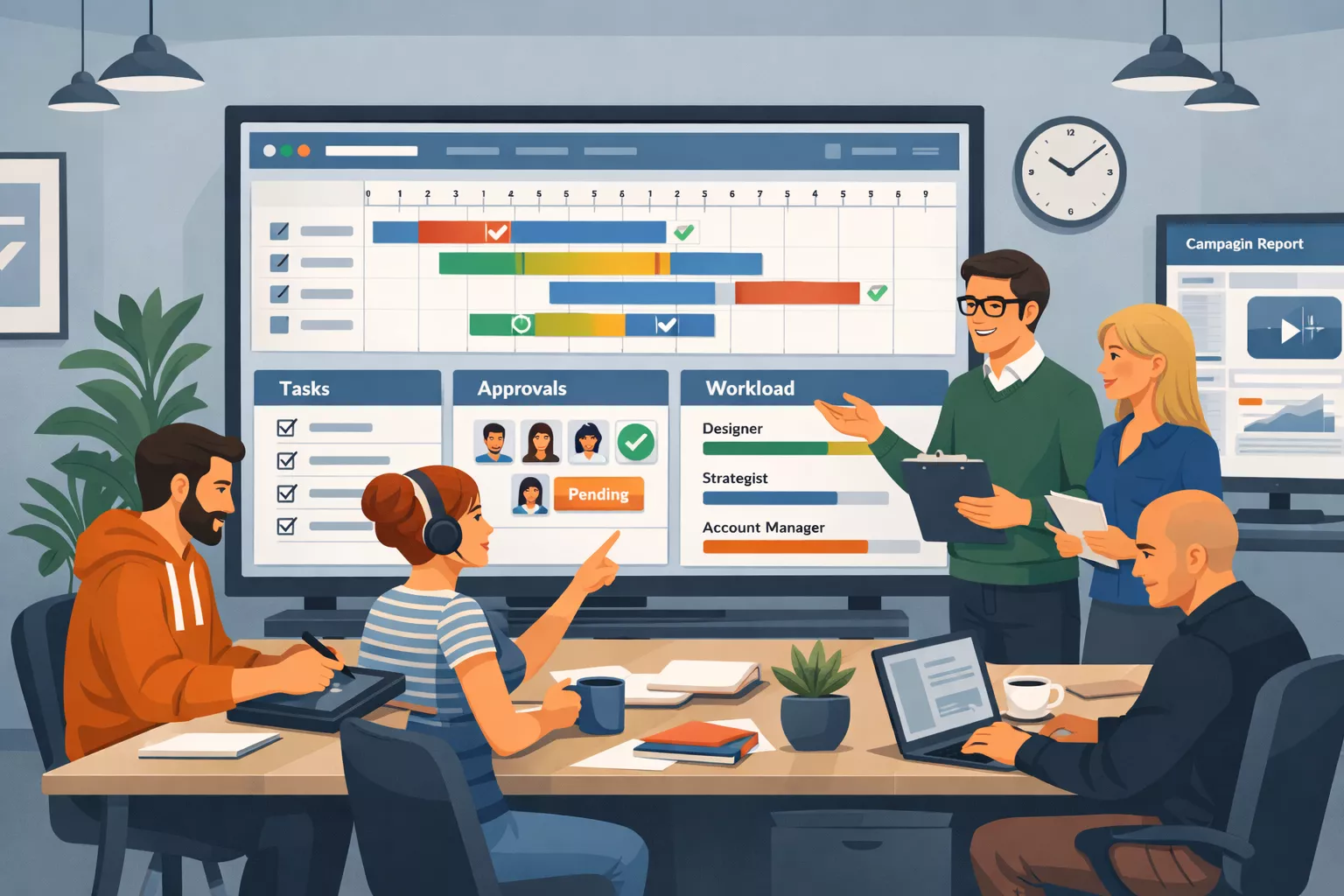
Use workload planning tools that show everything in one place – dashboards, calendars, or heat maps. These make it easier for leaders to spot overload and redistribute tasks fairly.
Clarity brings:
Stat: Companies that use structured workload management tools improve project delivery by about 30% (GanttPRO).
Popular workload planning tools include:
What makes Siddhify different: It combines team planning with wellness and family balance. Teams can deliver results while avoiding burnout.
For remote or hybrid teams, cloud-based productivity apps are best. They give real-time updates, shared timelines, and dashboards for collaboration.
Giving tasks that fit each person’s skills makes projects more efficient and satisfying.
Best practices:
Expert insight: Productivity consultant Julie Morgenstern says,
“Workers who can consistently decide with clarity and ease which tasks are most important when under pressure are the most prized in every organization.”
Bad workload planning leads to fatigue, disengagement, and even higher turnover.
Ways to stop burnout:
Case study: ProofHub found that structured workload management reduced turnover and boosted morale.
Assign tasks based on strengths, track capacity with dashboards, and review workloads weekly.
Asana, Trello, ProofHub, ClickUp, and Siddhify all help balance workload with dashboards and monitoring.
Leaders set expectations, build supportive cultures, and use workload tools to prevent overload.
It makes sure tasks fit skills and time, avoiding bottlenecks and keeping projects smooth.
Resource optimization means making sure time, skills, and tools are used where they have the most impact. This raises project success and ROI.
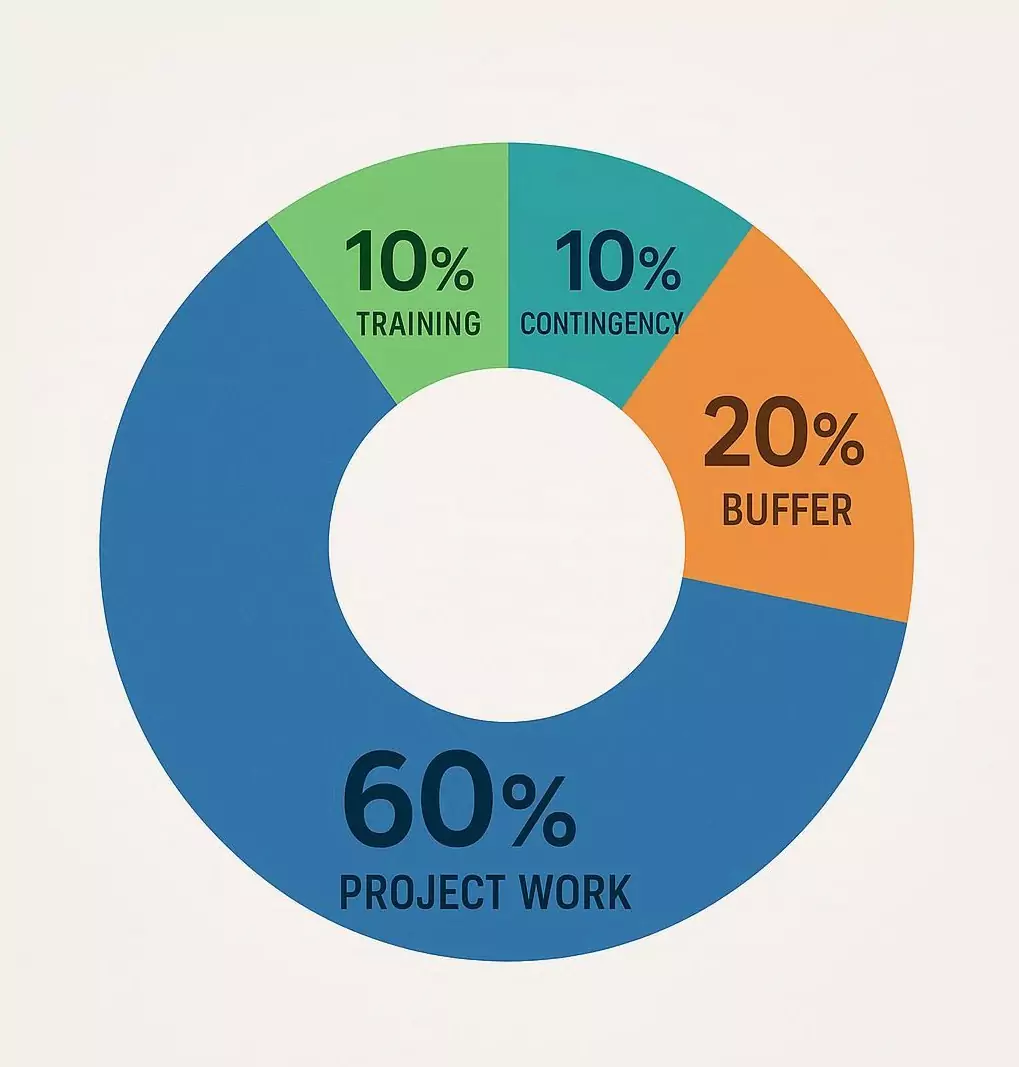
Balanced allocation example:
A workload planner isn’t a “set it and forget it” system.
Best practices:
Case study: GanttPRO dashboards helped one software team spot bottlenecks early. This made project execution smoother.
Remote work comes with challenges: different time zones, weak boundaries, and slower communication.
Best practices for remote workload planning:
Leaders play the biggest role in keeping workloads healthy.
How leaders can encourage balance:
Research insight: Harvard Business Review found that companies where leaders care about wellness see better long-term performance and retention.
Tracking workload data helps leaders make smarter decisions.
Key metrics include:
Pro tip: Share a free workload planning template or use Siddhify’s analytics dashboard, which tracks both wellness and productivity.
Case Study | What Happened | Benefit |
GanttPRO | Dashboards flagged over-allocation early | Predictable delivery, smoother projects |
ProofHub | Balanced workload distribution reduced burnout | Lower turnover, higher morale |
Asana Survey | Found 80% of employees feel overworked | Showed the need for workload planning |
It’s a system for forecasting, assigning, and balancing tasks to keep productivity high and prevent burnout.
Asana, ClickUp, Trello, GanttPRO, ProofHub, and Siddhify. Look for features like dashboards, analytics, and wellness support.
Use cloud apps, set collaboration hours, and create clear work-life policies.
By sharing tasks fairly, setting realistic timelines, and allowing recovery time.
It improves quality, speeds up delivery, and increases ROI.
These 10 workload planner tactics show that real productivity isn’t about squeezing in more tasks. It’s about building a wellness culture that protects employees and sustains performance.
By giving visibility, picking the right tools, matching tasks to strengths, optimizing resources, and leading with wellness in mind, you can achieve project success without losing balance.
Ready to transform your team’s productivity? Try Siddhify – a workload planner that blends project efficiency with employee wellness.
Workload Planner: 10 Proven Tactics for Balanced Productivity
Join thousands of entrepreneurs and professionals managing their work and life in one place — with the motivational power of gamification built right in.
⚡ Try Siddhify Free TodayNo credit card required · Set up in minutes