Stay in the loop
Get the latest news, feature updates, and exclusive promotions.
Discover proven strategies, AI tools, and expert tips on how to improve project management, boost efficiency, and keep teams balanced.
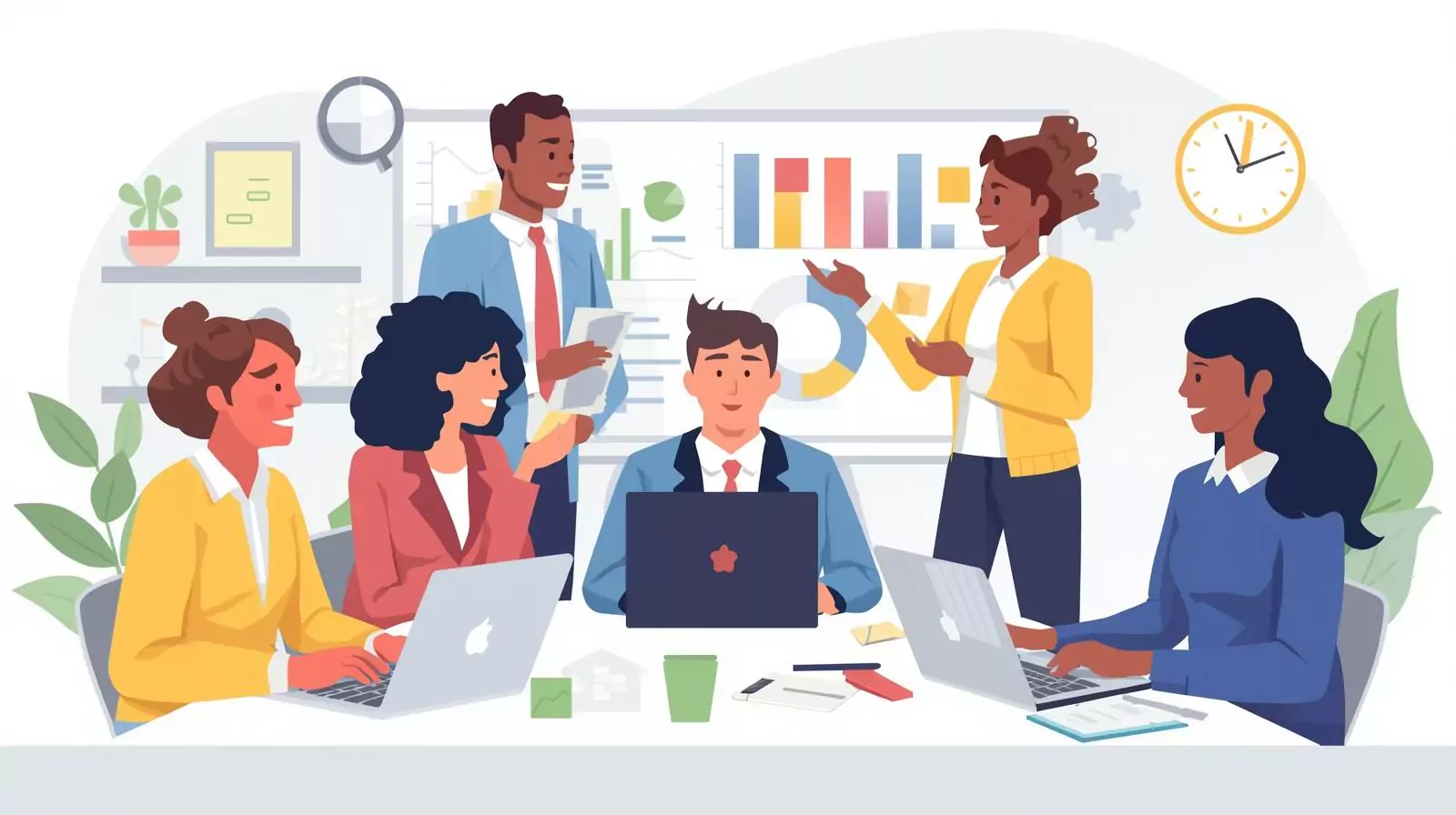
I’ve been in project management for years – watching brilliant ideas stall, teams burn out, and deadlines slip. Even the smartest teams can derail without proper budget management, resource allocation, project efficiency, and the right strategies. According to ResearchGate, large IT projects run 45% over budget and deliver 56% less value than expected.
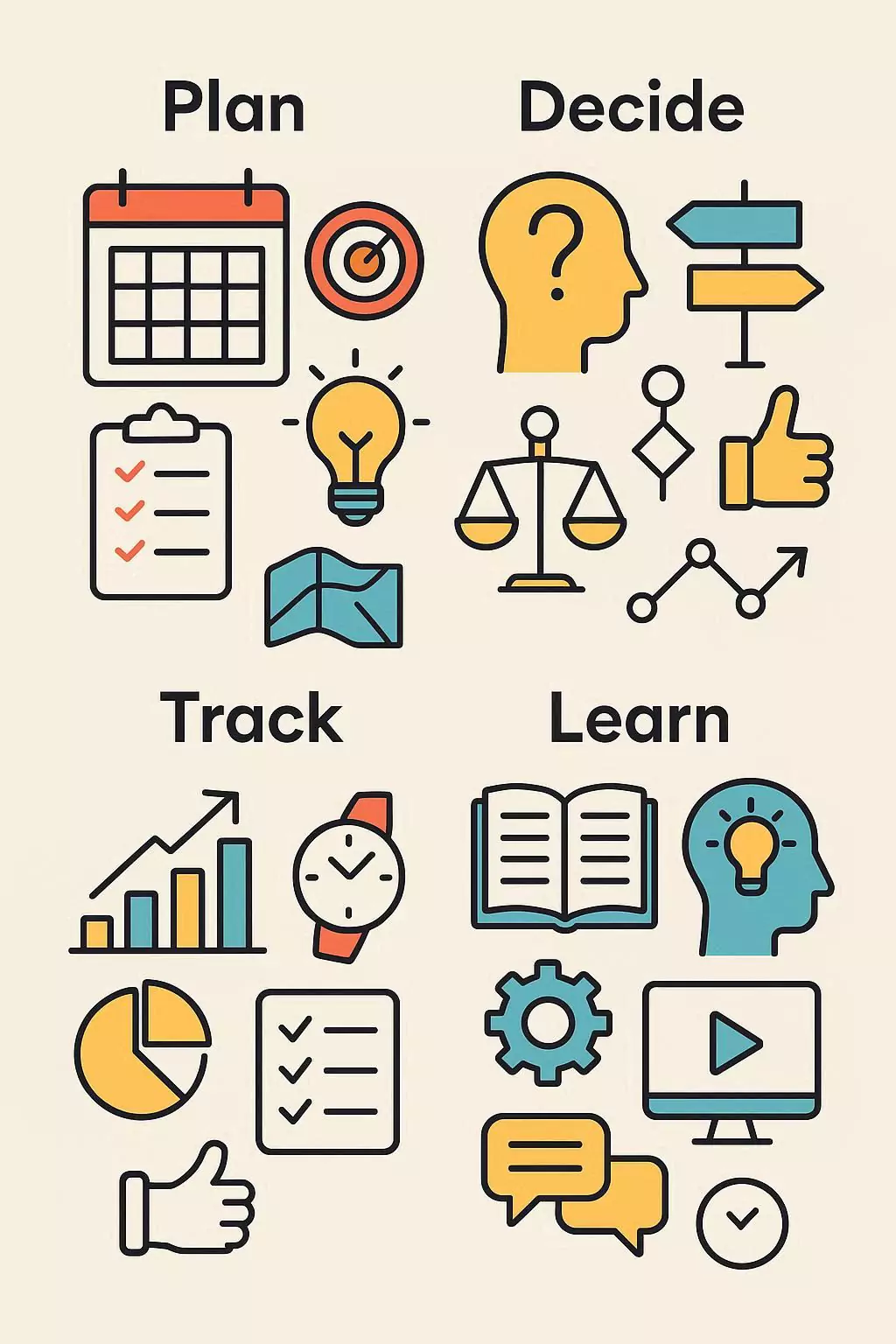
In this guide, I’ll show 17 practical ways to improve project management and enhance project efficiency – covering people, process, and tools. This isn’t just about software (though the right tools matter). You’ll learn methodologies to plan, decide, track, and learn effectively. You’ll get actionable strategies, expert insights, case studies, and AI-driven tips to boost results while keeping your team balanced and motivated.
Audience: Founders, Professionals, Entrepreneurs
Why read: Gain tactics that save time, reduce costs, and balance leadership with life
You’ll learn:
Strong foundations, including effective time management, robust communication, and relevant skills, are key to project success. Without them, even well-resourced projects fail.
Vague goals lead to scope creep, missed deadlines, and frustrated teams. Use SMART outcomes tied to measurable impact to enhance project management efficiency.
Example: Instead of “build feature X,” say:
A clear communication plan and documentation in project management reduces surprises and aligns the team.
Story Suggestion: A SaaS company reduced onboarding delays by 25% in one quarter by applying SMART outcomes during planning – improving both client satisfaction and revenue.
Identify who decides, informs, approves, or consults. Without clarity, approvals stall, duplication occurs, and decisions get reversed.
Tool: RACI chart (Responsible, Accountable, Consulted, Informed)
Expert Quote: “Misaligned stakeholders are the #1 driver of project delays.” — Alexander Budzier, Oxford Said Business School
Ignoring rare but high-impact risks leads to project failures. Research (Budzier & Flyvbjerg) shows that many large IT and infrastructure projects underperform due to overlooked risks.
Case Study: Levi Strauss IT Failure
Review it regularly.
AI reduces manual scheduling, forecasts resources, and detects conflicts early.
Examples:
Stat: Gartner predicts 80% of project management tasks will be automated by AI by 2030.
AI augments human judgment – letting you focus on strategy, people, and motivation, thereby boosting project management efficiency.
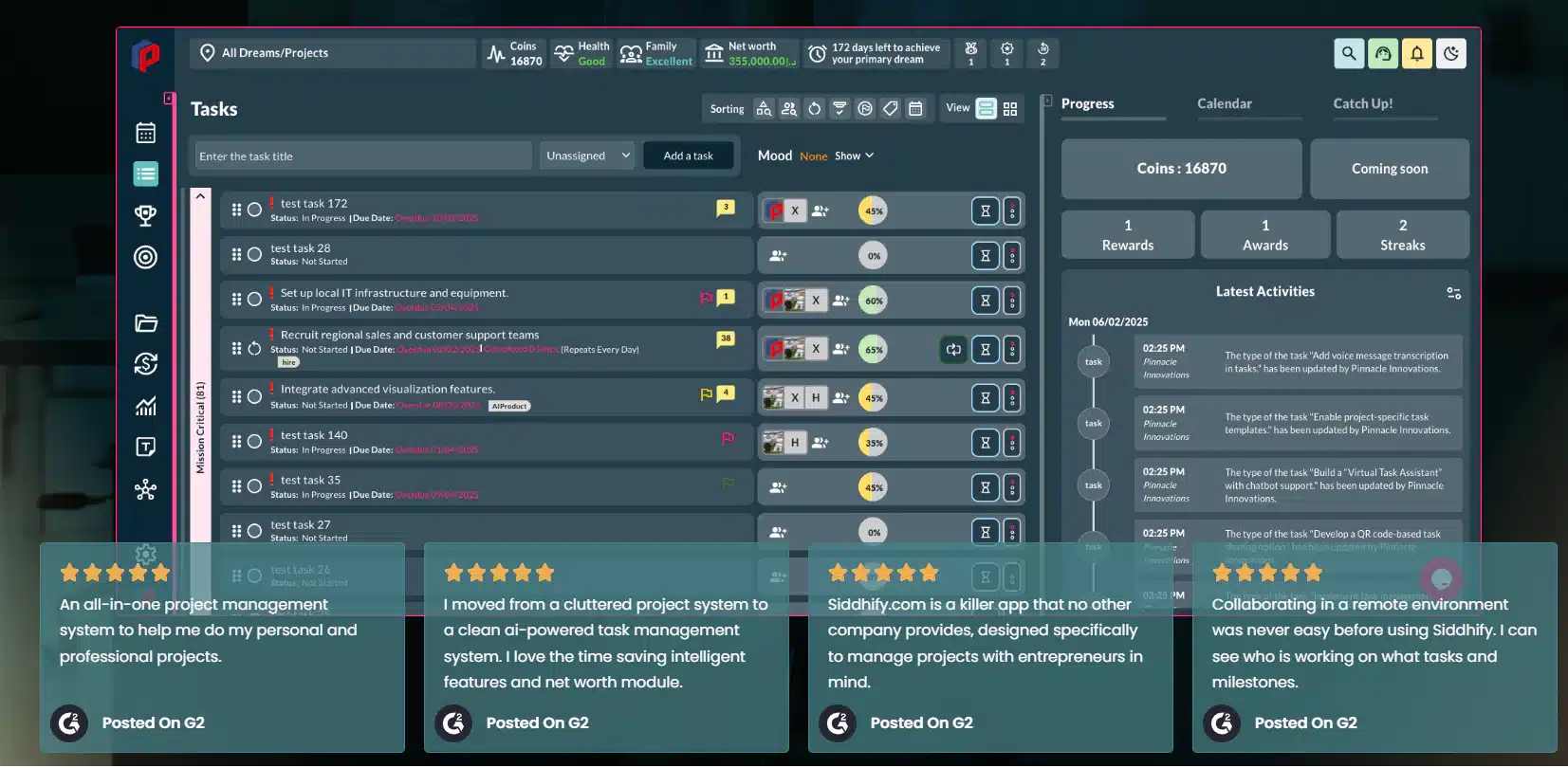
Tip from Siddhify: Siddhify lets you rank tasks by impact and urgency across multiple projects, so teams focus on what truly moves the needle first.
Perfect planning fails if decisions drag. Fast decisions protect budgets, timelines, and overall project management morale.
Define a maximum approval window. Example: stakeholders commit to 48-hour decision cycles. Track delays to prevent spiraling costs and team frustration.
Ambiguity slows projects. Document:
Expert Quote: “Slow decisions sink fast projects.” — Bent Flyvbjerg, How Big Things Get Done
Learning resources: Coursera, LinkedIn Learning
Time tracking prevents surprises and misalignment, thus enhancing project efficiency.
Monitor key metrics:
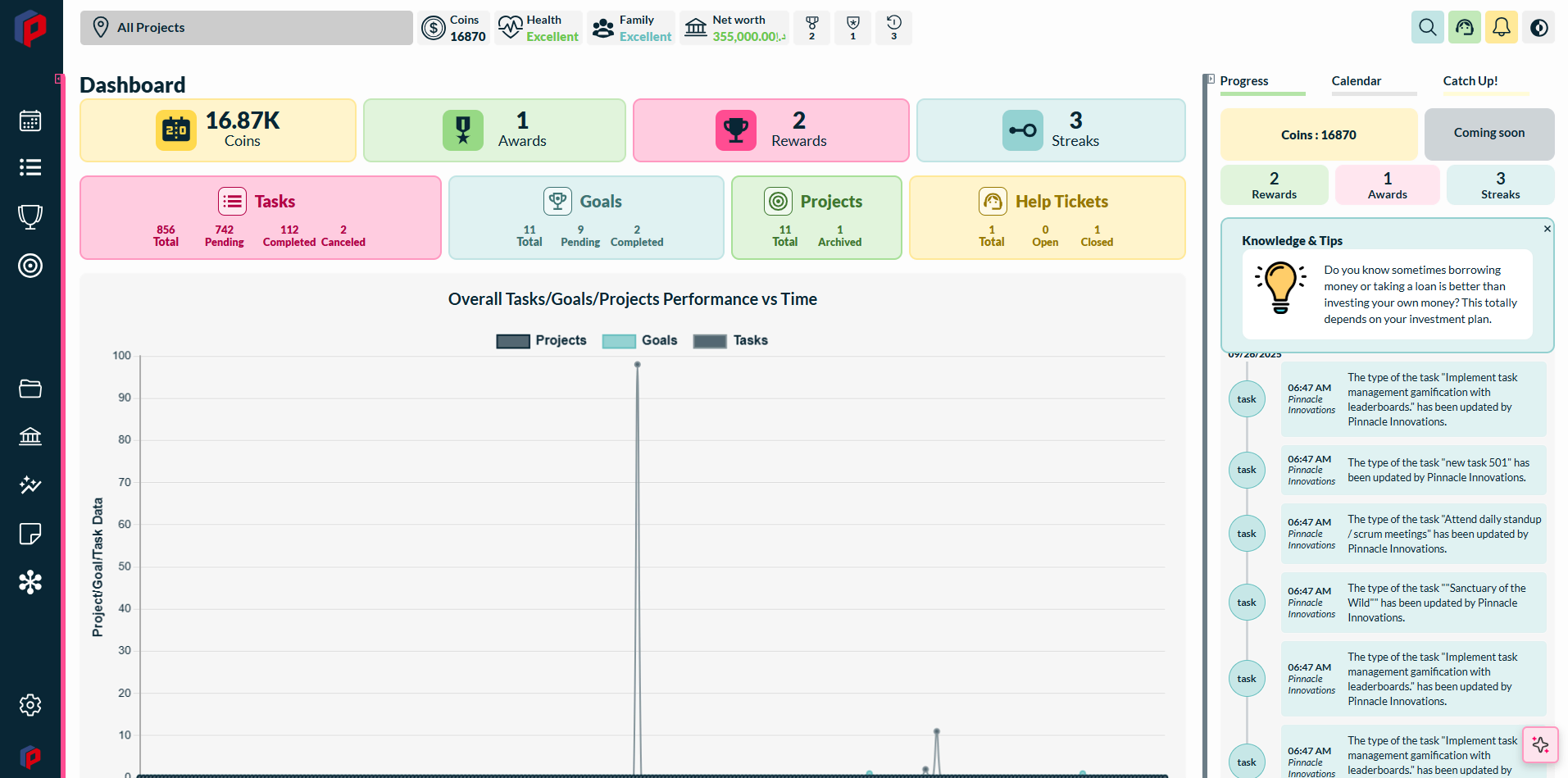
Tip: Visual dashboards catch issues early and improve accountability.
Overloading staff within an organization erodes quality and highlights the need for effective project management and time management. The Standish CHAOS Report shows that only 31% of projects fully succeed. Monitor workloads, avoid overload, and reallocate proactively.
Remote teams need integrated tools. Siddhify combines task management with wellness and family tracking—helping teams stay balanced, unlike traditional tools like Asana or ClickUp.
Remote leaders use Siddhify to align productivity and well-being.
Prevent “ghost tasks”:
Post-project: identify successes and failures.
Example: Palfinger reduced meeting overhead by ~20% using project management dashboards.
Online courses, coaching, and T-shaped skill development improve leadership skills and boost team collaboration and results.
Burnout can silently erode your team’s productivity – prevent it early with effective project management:
Tip from Siddhify: Siddhify can detect workload spikes and suggest schedule adjustments, helping prevent burnout while keeping deadlines on track.
| Case | Problem | Solution | Outcome |
| Palfinger | Too many meetings, poor transparency | Standardized templates & dashboards | Meeting load -20%, reporting speed improved |
| Hyderabad Metro | Delays, governance issues | Stakeholder map, inclusive policies | Phase-1 delivered; PPP model globally recognized |
| Levi Strauss | Weak planning, unclear scope | Risk register & change control | $200M loss avoided in lessons learned |
| Siddhify | Multi-project coordination | Dashboards + family calendar | Approvals +25% faster, burnout hours -15% |
Phase | Key Actions |
PLAN | Clear scope & outcomes, stakeholder map, risk register, AI planning |
DECIDE | Decision SLA, escalation playbook, communication rituals, leader skills |
TRACK | Weekly dashboards, resource mgmt, remote tools + well-being, tool hygiene |
LEARN | After-action reviews, outcome focus, continuous learning, and protect well-being |

Define goals, track progress via dashboards, adopt structured communication, and integrate wellness tools like Siddhify.
Leadership, delegation, communication, negotiation, risk management, technical proficiency, and emotional intelligence.
Document scope, get stakeholder sign-offs, track changes in decision logs, use an escalation playbook.
Budget variance, schedule variance, scope change rate, team satisfaction, decision latency, and client satisfaction.
Use integrated tools, establish communication rituals, track workloads, and include wellness practices.
Take online courses, volunteer for small projects, shadow experienced PMs, and join PM communities.
AI automates scheduling, predicts risks, provides dashboards, and reduces repetitive admin work.
Define SLAs, use escalation paths, log decisions, remove bureaucracy, and build a culture of trust.
Use scoring frameworks, weighted criteria, or AI dashboards to make informed prioritization decisions.
Budget adherence, schedule variance, team morale, client satisfaction, and risk mitigation effectiveness.
Improving project management isn’t magic – it’s a combination of clear planning, fast decision-making, strong tracking, and continuous learning. Tools like Siddhify can amplify these efforts by automating routine tasks, enhancing visibility, and supporting team well-being.
Successful projects balance strategy with human needs: measurable outcomes, timely decisions, transparent communication, sustainable workloads, enhanced project management, and improved project efficiency.
By integrating AI, structured processes, and well-being practices, leaders can prevent burnout, improve efficiency, and deliver higher value to clients.
Remember: every project offers lessons. After-action reviews, dashboards, and post-mortems are not optional – they are essential for growth. Start small, refine frameworks, and scale what works. When your team thrives, project success becomes the natural outcome.
Try Siddhify to manage projects and life together – boost approvals, reduce burnout, and achieve results without sacrificing well-being.
How to Improve Project Management: 17 Practical Ways Leaders, Founders & Teams Actually Deliver
Join thousands of entrepreneurs and professionals managing their work and life in one place — with the motivational power of gamification built right in.
⚡ Try Siddhify Free TodayNo credit card required · Set up in minutes