Stay in the loop
Get the latest news, feature updates, and exclusive promotions.

Discover 9 proven ways to build a collaborative culture. Learn strategies, ROI, case studies, and tools that help leaders boost teamwork and well-being.

Picture this: you’re a founder or company leader. You’ve built a talented team. But day after day, you keep hearing:
Sound familiar? You are not the only one feeling that way. Research shows that less than 30% of companies report having a truly collaborative culture. In most workplaces, people face meeting overload, duplicated work, unclear expectations, and rising burnout.
This article is your practical playbook. You’ll find nine proven ways to create a collaborative culture that drives performance while protecting employee well-being. These strategies help reduce wasted time, break down silos, and restore balance.
And here’s where Siddhify comes in: it’s a project management and work‑planning platform designed for leaders who want healthy collaboration without sacrificing employee wellness. Using Siddhify, you can align teams, track cross-functional projects, and manage collaboration windows – all while supporting a balanced work-life culture.
Whether you’re a founder, entrepreneur, or manager, you’ll learn how to build teamwork, cross-functional collaboration, and sustainable growth – with tools and strategies that actually help your team thrive.
Stat: Deloitte found that companies with strong collaboration are 5x more likely to be high-performing.
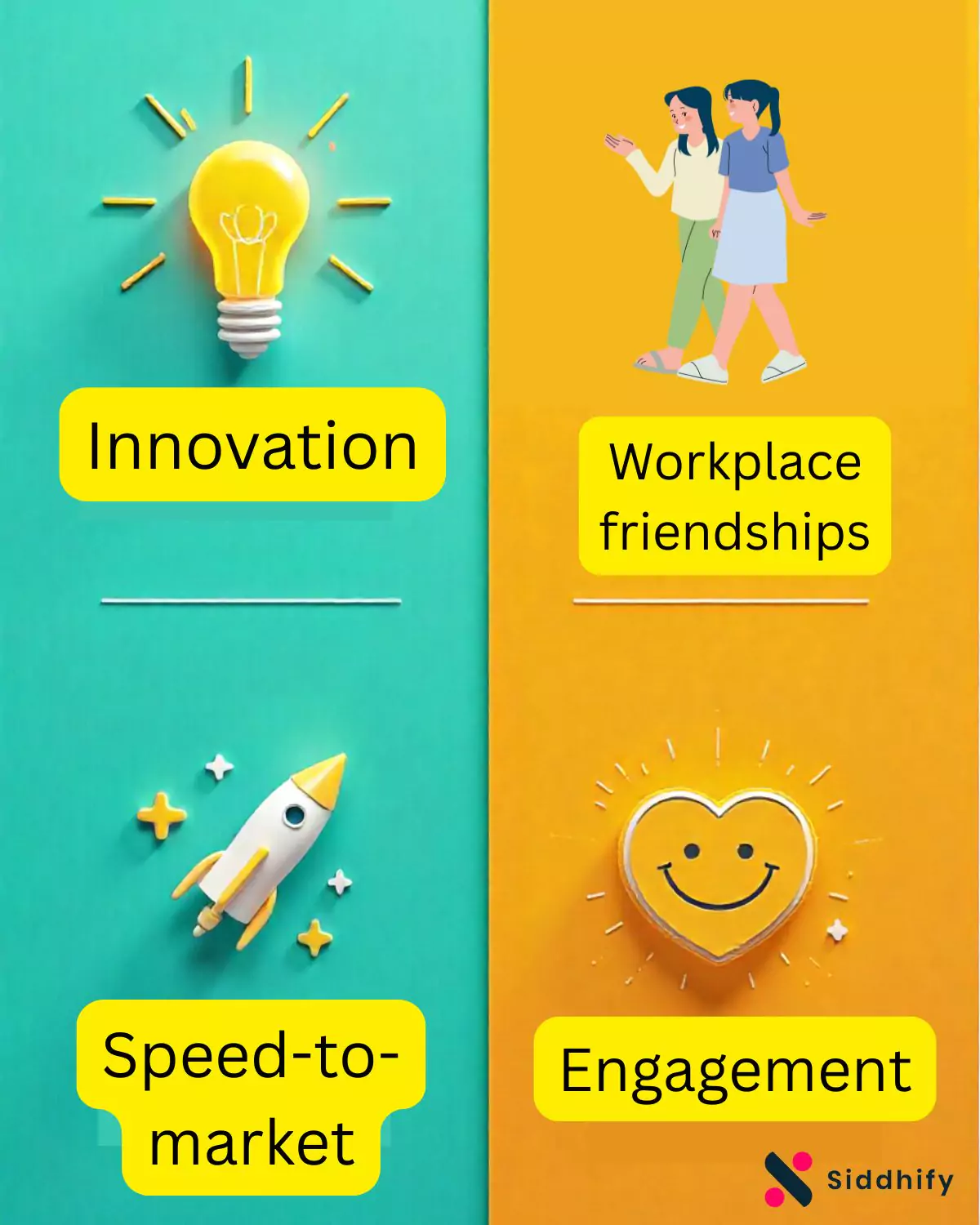
Gallup reports that only 21% of employees are engaged globally. Collaborative workplaces can help fix that by encouraging:
Healthy collaboration reduces loneliness, builds resilience, and lowers burnout. Instead of draining energy, teamwork becomes a source of balance and performance.
When teams don’t share the same purpose, they drift apart. Alignment is the first step.
Set OKRs or quarterly goals to give everyone the same direction.
Create a team charter that defines:
Example: Pixar thrives because every decision connects back to a clear purpose – storytelling, innovation, and craft.
Expert Insight: “Shared purpose is the foundation of collaborative leadership. Without it, teamwork becomes chaos.” – Amy Edmondson, Harvard Business School
Too many meetings kill collaboration.
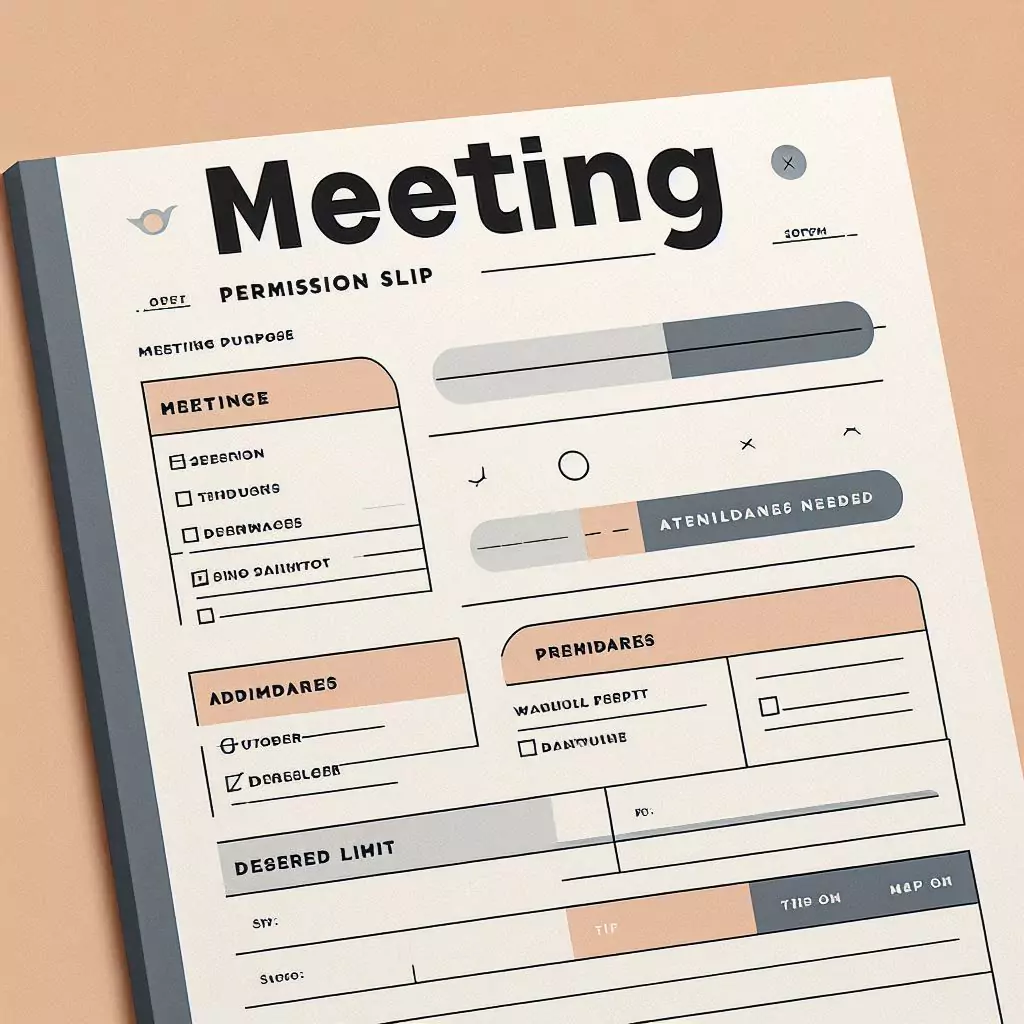
Try a Meeting Permission Slip: before scheduling, list the purpose, attendees, and desired outcomes.
Use asynchronous updates for progress reports. Save live meetings for real discussions.
Keep meetings small – only the essential people should attend.
Stat: Harvard Business Review found that 71% of managers say meetings are unproductive.
Collaboration thrives when people feel safe to speak up.
When teams feel safe, innovation goes up and stress goes down.
Case Insight: Google’s Project Aristotle found that psychological safety is the number one factor in high-performing teams.
Silos weaken collaboration. Standardization brings clarity.
McKinsey Insight: Strong governance can boost productivity by 20–30%.
Documentation reduces confusion and speeds up teamwork.
Atlassian runs on documentation-first workflows, which makes onboarding faster and reduces misunderstandings.
“What gets measured, gets managed.”
Track:
Run employee surveys on engagement and stress.
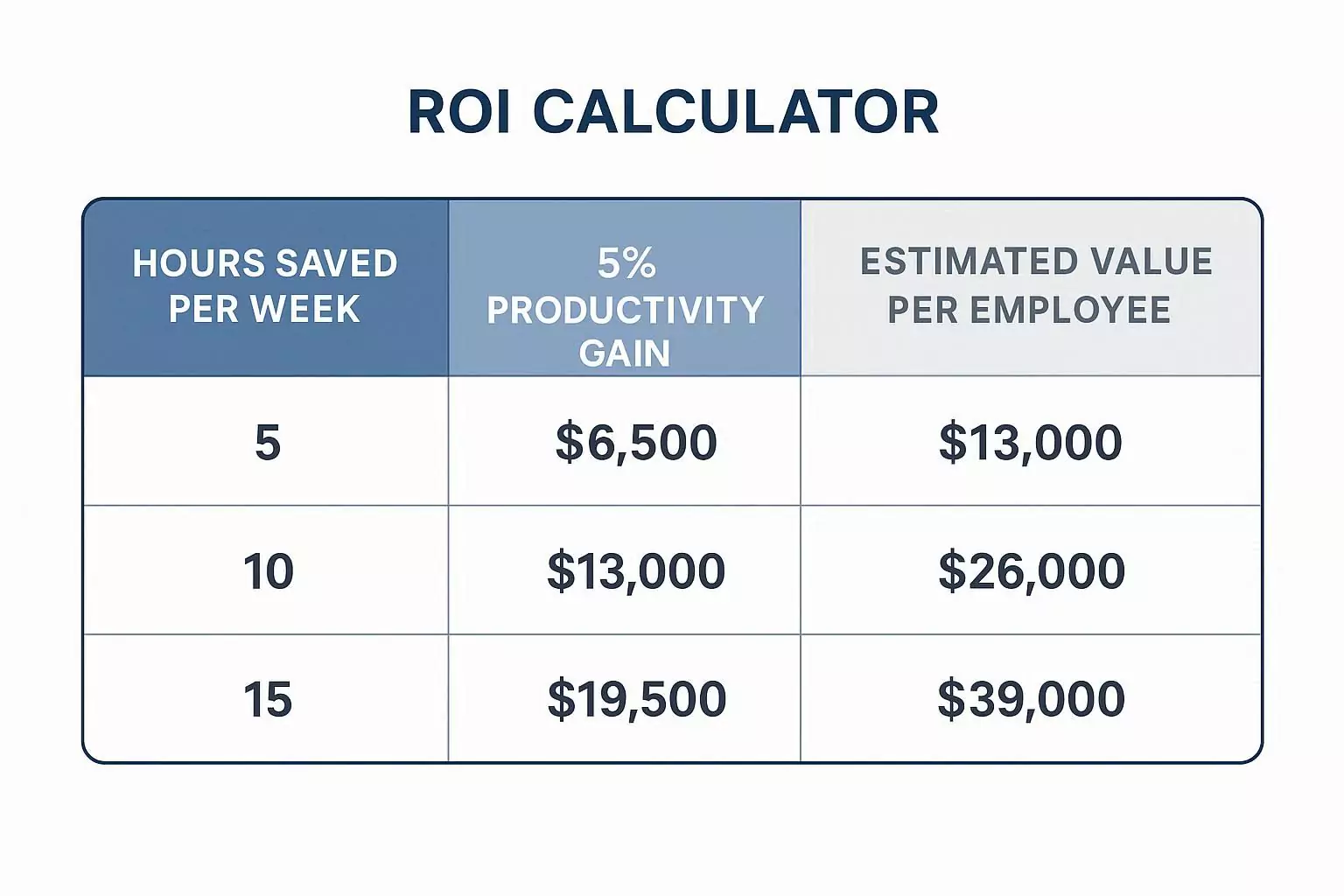
Build an ROI model:
Example: Reclaiming 5 hours per employee weekly can save thousands per year in productivity.
Always-on collaboration creates stress.
Gallup Insight: Employee well-being is a strong predictor of performance and retention.
Recognition shapes culture.
Example: Atlassian’s Team Kudos program boosted morale and cross-departmental teamwork.
The right tools can help collaboration – but only if managed well.
Siddhify Advantage: Unlike most project management tools, Siddhify combines work planning with wellness management. This helps individuals balance productivity and well-being.
Tool | Collaboration Features | Wellness Support | Best For |
Siddhify | Project + daily planning | ✅ Yes | Agencies & small teams |
Slack | Chat + integrations | ❌ No | Fast communication |
Asana | Task management | ❌ No | Workflow tracking |
Notion | Docs + collaboration | ⚠️ Limited | Knowledge sharing |
A collaborative culture is which employees openly share ideas, knowledge, and responsibilities. Teams work across departments with trust and shared goals to achieve better results.
Collaboration improves innovation, problem-solving, and speed-to-market. It also builds trust, strengthens engagement, and lowers burnout.
Clarify shared purpose, redesign meetings, create psychological safety, reward teamwork, and use the right tools to support collaboration.
Examples include design sprints across departments, shared project boards, async communication updates, and team-wide documentation.
Track meeting hours, cross-functional projects, employee engagement surveys, and ROI from time saved.
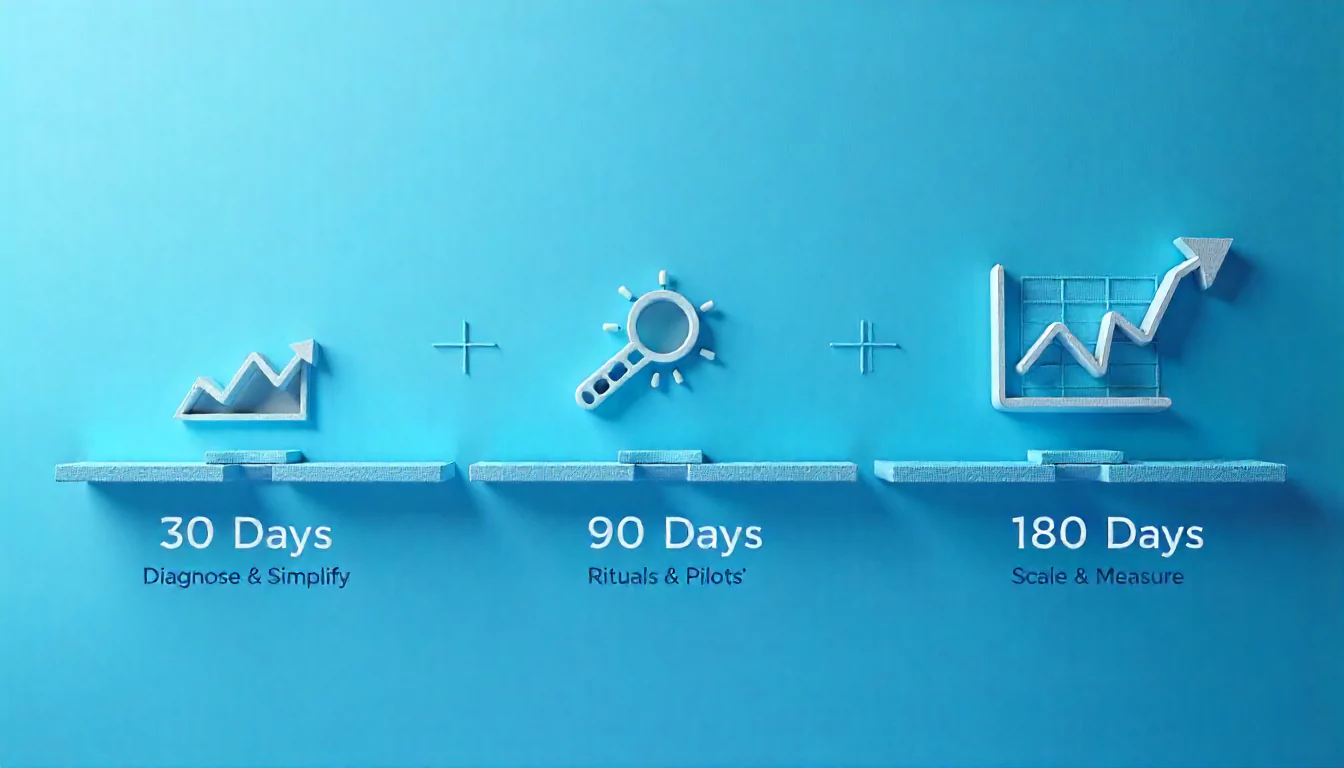
Here are three examples showing how organizations improved collaborative culture, cross-functional teamwork, and results.
SMBs using Atlassian tools like Confluence and Jira created shared playbooks, implemented async updates, and reduced recurring status meetings.
The Unified Workflow Playbook connecting HubSpot and Jira improved visibility, reduced miscommunication, and streamlined collaboration. (Atlassian Community)
HBR reported that open-office designs with choice – letting employees decide when to collaborate in open spaces versus focus privately – increased collaboration without reducing satisfaction. Choice protected focus, lowered stress, and encouraged teamwork.
McKinsey found that aligning governance, incentives, and decision-making rules boosted speed-to-market and performance. High trust, clear communication, and structured processes led to better teamwork, more innovation, and measurable business results. (McKinsey)
Building a collaborative culture is no longer optional. It’s essential for business success.
By clarifying purpose, redesigning meetings, building trust, documenting processes, measuring ROI, protecting well-being, rewarding teamwork, and using the right tools, leaders can create workplaces that deliver results without draining employees.
The ROI is clear: stronger retention, fewer wasted hours, and faster innovation. Most importantly, employees stay engaged, resilient, and well.
Apply these frameworks, and test Siddhify to bring collaboration and wellness into your company’s workflow.
It’s a workplace where teams work across departments, share knowledge openly, and align around shared goals. It emphasizes teamwork, safety, and clear processes to boost both performance and well-being.
Collaboration drives innovation, reduces silos, improves retention, and increases job satisfaction. It also lowers stress and helps employees feel connected.
Look at the time saved from fewer meetings, faster speed-to-market, lower turnover, and higher engagement. Even saving 5 hours per week per employee can bring major financial and well-being gains.
Yes. Good collaboration reduces isolation, sets clear expectations, and avoids duplicated work. Combined with wellness tools and set collaboration windows, it helps employees stay balanced and avoid burnout.

9 Proven Ways to Build a Collaborative Culture – A Practical Playbook for Founders & Leaders
Join thousands of entrepreneurs and professionals managing their work and life in one place — with the motivational power of gamification built right in.
⚡ Try Siddhify Free TodayNo credit card required · Set up in minutes