Stay in the loop
Get the latest news, feature updates, and exclusive promotions.
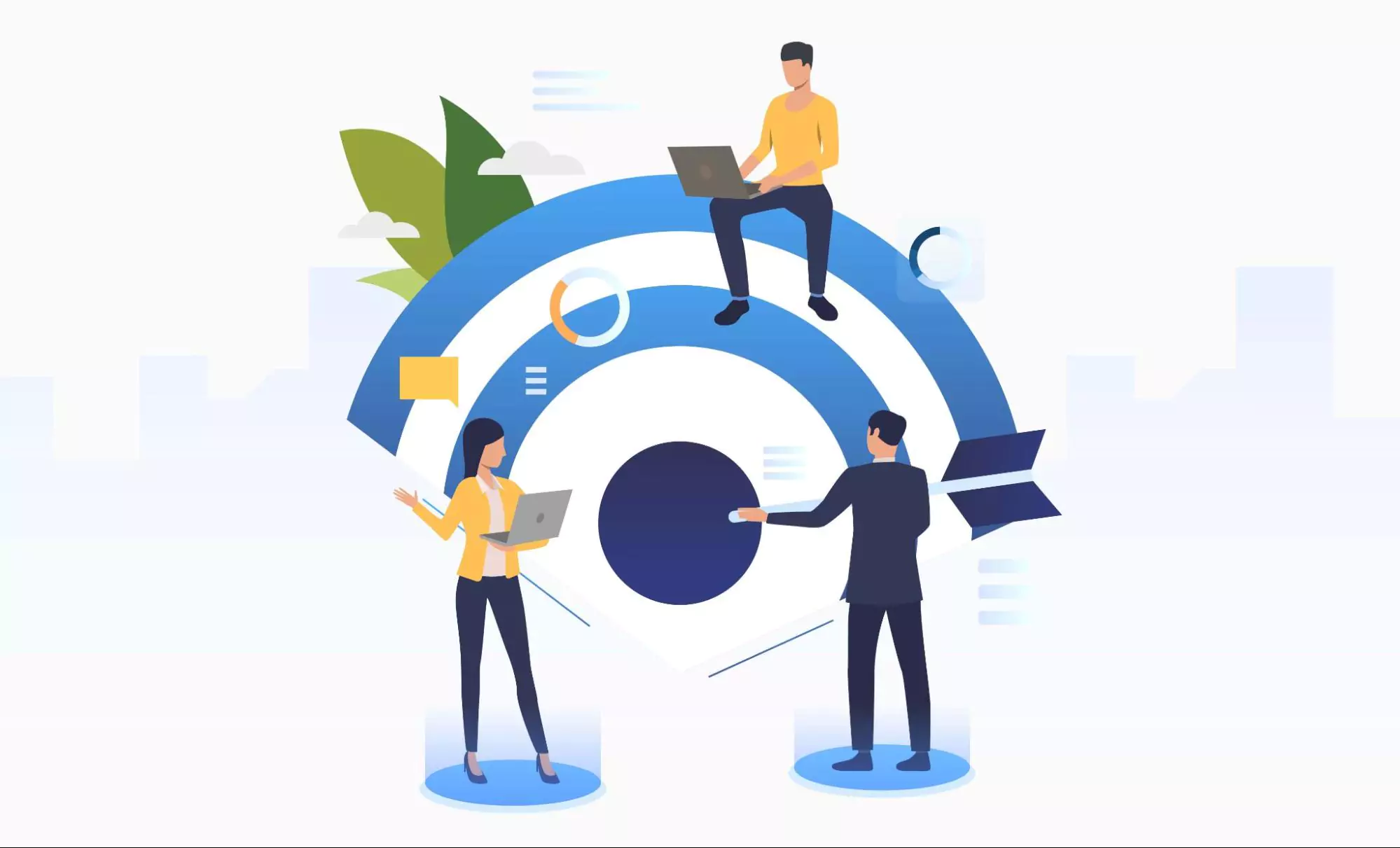
Discover how strategic alignment connects vision and execution to drive growth, boost profit, and keep teams focused.
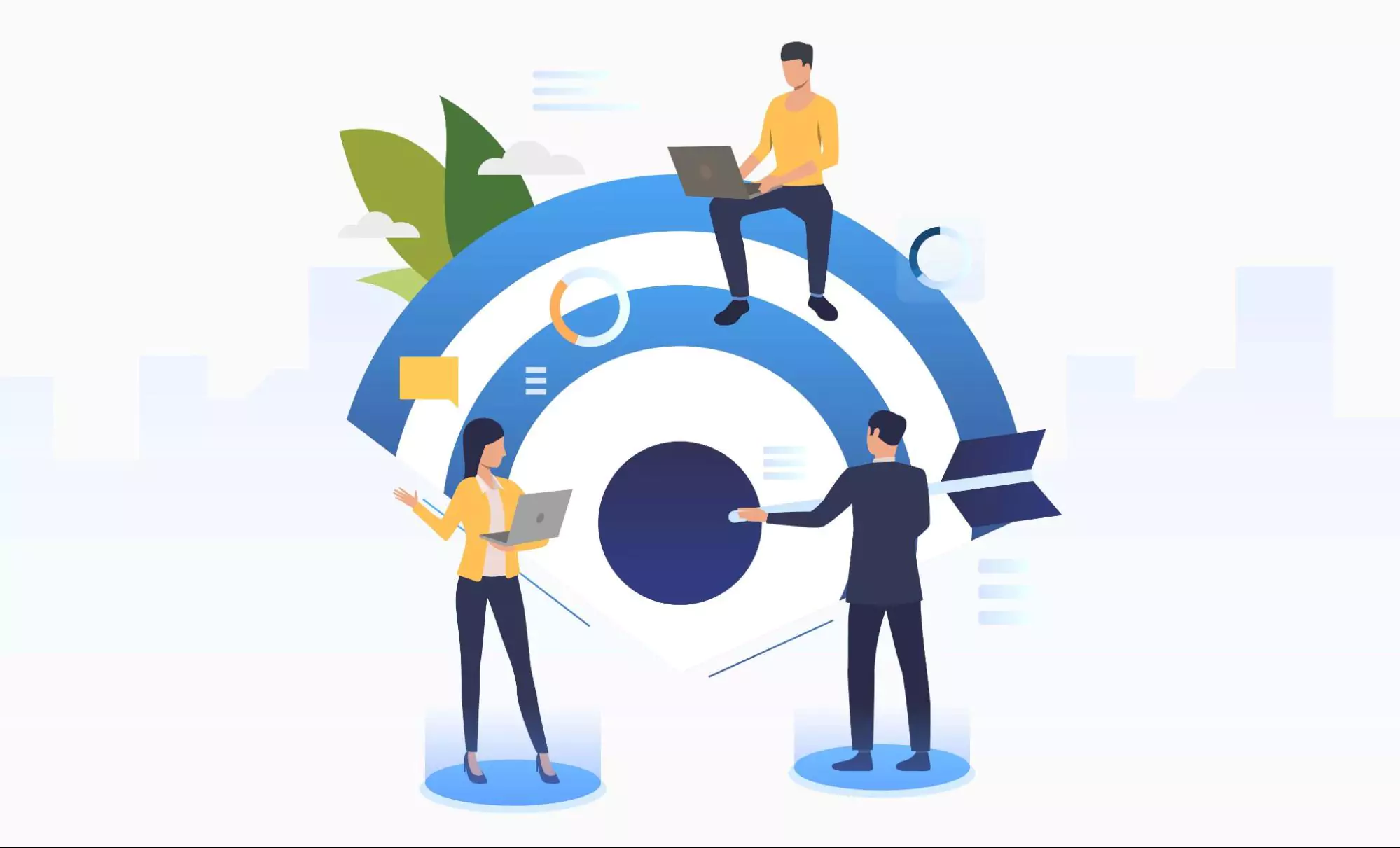
Picture your business as a mountaineering team. Every climber has different gear, skills, and speed. If they climb in sync, they reach the summit faster, safer, and stronger. But if even one person veers off course, the whole team could fall behind, or worse, fail altogether.
This is the essence of strategic alignment.
When a company’s vision, goals, and day-to-day actions are tightly connected, momentum builds. Teams operate with clarity. Leaders make faster decisions. And growth stops being a guessing game and starts being a system.
In this guide, we’ll explore:
Tools like Siddhify that make it easier to put alignment into action
Strategic alignment means ensuring your team’s daily work supports your company’s goals. It improves growth, profitability, and efficiency by connecting strategy with execution across all departments.
Strategic alignment is the process of ensuring every part of your business, teams, resources, processes, and decisions supports your long-term goals.
According to the Strategy Institute and lsaGlobal, strategic alignment is what happens when executive leadership, middle management, and frontline employees all work toward a common mission. It’s about making sure no one is climbing the wrong mountain.
Here’s why it matters:
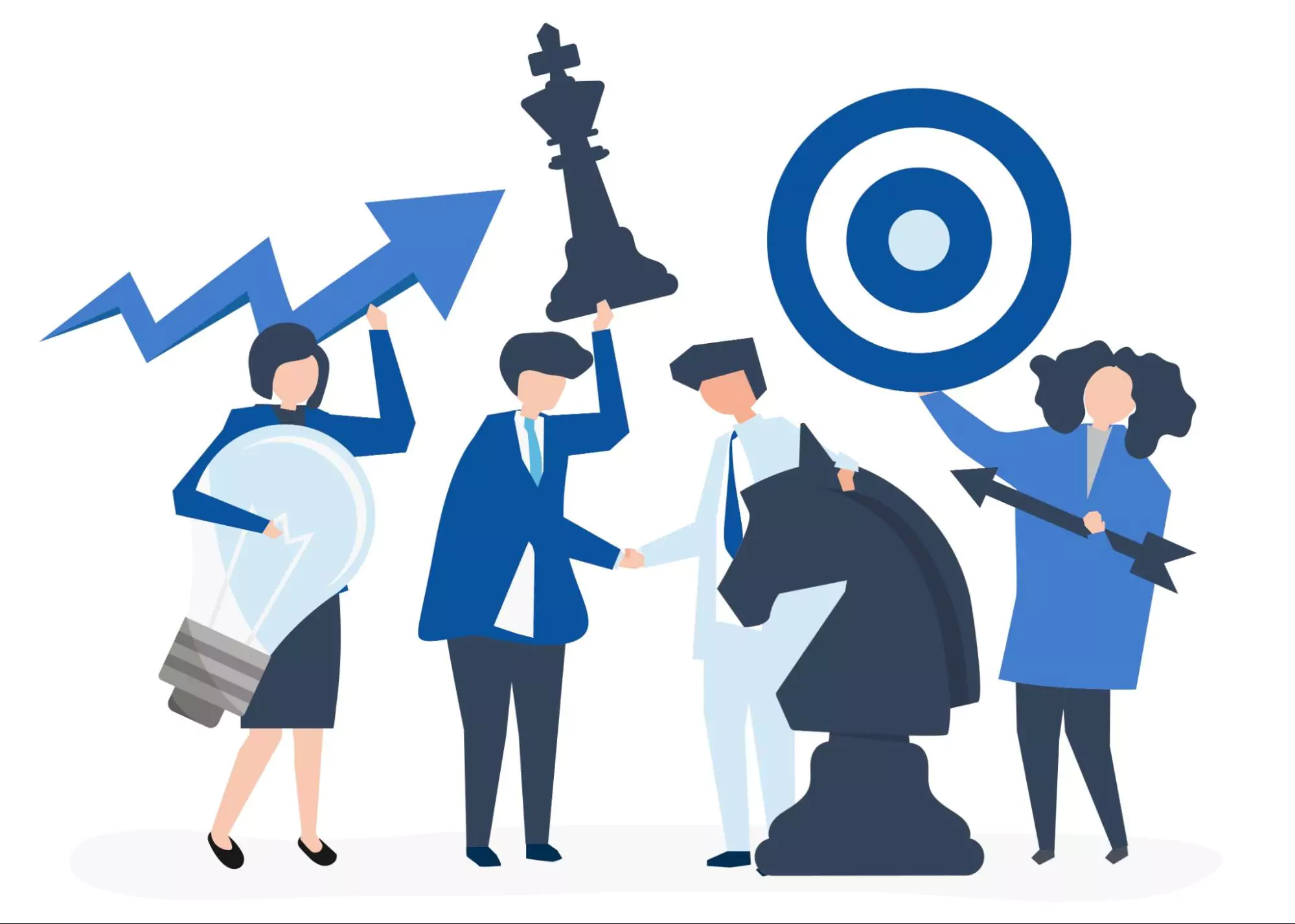
Google and Netflix both use OKRs (Objectives & Key Results) to tie employees’ daily tasks directly to company-wide strategy, a clear link between individual effort and high-level goals.
When alignment breaks down, it leads to missed targets, duplicated work, team confusion, and wasted resources, ultimately dragging down both efficiency and morale.
Best practice is:
Culture is the glue that holds strategy together. “Culture eats strategy for breakfast” – so if your values don’t support the strategy, even the best plans will fail.
According to LeaderFactor, asking these five alignment questions helps ensure everyone understands purpose, roles, and commitment:
When a company gets strategic alignment right, the impact is powerful.
A study by lsaGlobal found that strategic alignment accounts for 31% of the difference between high-performing and low-performing companies. That’s not a rounding error, it’s the edge that lets you outpace competitors.
| Metric | Aligned Teams | Less-Aligned Teams |
| Revenue Growth | +58% | Baseline |
| Profitability | +72% | Baseline |
| Customer Retention | 2.23x | 1x |
Alignment isn’t just about top-line metrics, it connects vision with execution:
Strategic alignment is like giving your business a GPS. Everyone sees the destination, the path, and how to get there.
Let’s break down the biggest advantages of aligning your strategy across the business:

So, how do you actually create strategic alignment in your business? Here’s a step-by-step roadmap.
Alignment starts at the top. If your leadership team isn’t on the same page, your teams never will be.
Use tools like Balanced Scorecards or OKRs (Objectives & Key Results) to:
Involve employees in the strategy process early on. Let them see how their work contributes to the bigger picture.
This is where Siddhify shines – it helps small teams stay aligned without endless meetings. You can track OKRs, set goals, and see progress in one shared space.
Misalignment often happens between departments. Avoid silos by:
Alignment is not one-and-done. Markets change. Priorities shift.
Siddhify makes these adjustments easier with live performance tracking and a shared company playbook everyone can access.
In 2025, AI-powered alignment tools like Siddhify are rapidly replacing outdated spreadsheets and static reports. These intelligent dashboards give leadership teams real-time visibility into strategic KPIs, team progress, and cross-functional collaboration. For small businesses, this means fewer meetings, faster pivots, and smarter decisions.
Platforms that combine goal tracking, communication, and execution insights, all in one place, are emerging as critical tools for agile strategic alignment.
According to G2, 64% of small businesses plan to invest in AI-based performance tools in 2025.
From baggage handlers to pilots, every role at Southwest is tied to delivering great service on time, every time. Their alignment on culture and performance has made them one of the most respected brands in aviation.
Both companies use OKRs to link daily work to strategic goals. Every employee, from interns to executives, knows what success looks like and how they contribute.
This small agency uses a simple scorecard to track alignment weekly. Here’s a sample template you can steal:
| Perspective | Objective | KPI | Owner |
| Financial | Grow MRR 15% | Monthly Revenue | CEO |
| Customer | Boost retention | NPS Score | Support Lead |
| Internal | Improve product delivery | Sprint Velocity | Dev Team |
| Learning | Upskill staff | Training Hours | HR |
Siddhify makes it easy for businesses like this to set scorecards, assign ownership, and track everything in real time without needing complex software.
Let’s get real. Strategic alignment isn’t perfect.
Being too committed to a plan can blind you to changes in the market. Flexibility is key.
Leaders often believe teams are aligned when they’re not. In fact, perceived alignment is 2–3x higher than actual alignment.
A jaw-dropping 90% of strategies fail due to poor execution.
“Alignment is a compass, not shackles.”
Don’t confuse alignment with strict control. It’s a guide, not a cage.
“Without alignment, your strategy is just wishful thinking.”
— Jane Wu, CEO of ClearGrowth Systems
Strategic alignment is hard, but the right tools can make it easier.
Siddhify is designed for small teams and lean organizations that want to move fast without breaking things. Here’s how it helps:
Whether you’re running a startup or leading a remote team, Siddhify helps everyone stay on track without micromanagement.
Use Siddhify to align your marketing goals, content strategy, and revenue targets, all from one place.
When your team moves in sync, toward a shared goal, powered by a clear strategy, growth becomes inevitable.
Strategic alignment connects your company’s vision with its daily execution. It boosts clarity, performance, and results.
For lean teams and startups, getting this right can mean the difference between scaling smoothly or getting stuck in chaos.
And with tools like Siddhify, creating and maintaining alignment doesn’t have to be a burden.
Final Thought:
Alignment turns collective effort into compounding results.
Ready to align your team and grow faster? Try Siddhify today for free. Start connecting your strategy to daily actions and see what true alignment feels like.
Strategic alignment is the process of making sure every team and task supports your company’s overall strategy.
It helps teams work smarter, not harder, by focusing on the right goals, using time efficiently, and improving results.
Start with leadership, build a clear strategic playbook, engage your teams, use tools like Siddhify, and check progress regularly.
Southwest, Google, and Netflix all use alignment tools like OKRs and scorecards to tie individual work to company vision.
Projects fail, morale drops, and resources get wasted, causing delays, lower revenue, and employee frustration.

Strategic Alignment for Successful Business Growth: How to Unite Vision and Execution
Join thousands of entrepreneurs and professionals managing their work and life in one place — with the motivational power of gamification built right in.
⚡ Try Siddhify Free TodayNo credit card required · Set up in minutes