
Stay in the loop
Get the latest news, feature updates, and exclusive promotions.
Learn how to track small business expenses easily with this beginner's guide. Discover smart tips to stay organized!
Managing your small business finances can feel overwhelming, especially when it comes to tracking your expenses. But small business expense tracking is essential for long-term success. Without a good system, it’s easy to miss tax deductions, overspend, or make decisions based on wrong data. In this guide, we’ll show you how to track your business expenses, so you can focus on growing your business.
Good expense tracking is key to good financial management. It helps you make smart decisions, get ready for tax season, and keep your cash flow healthy. Without tracking your expenses well, you might end up overspending or even facing tax issues that could harm your business.
Poor expense tracking can cause cash flow problems, missed tax deductions, and even business failure. The secret is setting up a simple but effective expense-tracking system.
If you’re new to managing business finances, it can be tough. Many entrepreneurs face problems like:
This guide will help you understand how to track your business expenses. Whether you’re just starting or have been in business for a while, we’ll explain everything from understanding different expense types to picking the right tracking tools.
To track your expenses well, it’s important to know the different types of business costs:
Source: Investopedia

Properly categorizing your expenses helps you track them more easily and makes tax reporting smoother. If you mix up categories, it could lead to mistakes during tax time, which could increase your tax bill.
The first step in accurate tracking is keeping your business and personal finances separate. Open business accounts to make things clearer and avoid confusion. This not only makes tracking easier but also protects you legally and financially.
There are two main ways to track your expenses:
Each method has its pros and cons. Which one you choose depends on your business needs.
Learn more about Accounting Methods on Investopedia
Using tools like Siddhify can help you store and track your receipts, invoices, and financial records. Update your records often to avoid a pile-up and ensure everything is accurate.
Set a schedule to check your financial records and match them with your bank statements. This helps ensure your records match your actual expenses and prevents mistakes later on.
By connecting these tools with your business bank accounts, you can automate data entry. This saves time and reduces errors.
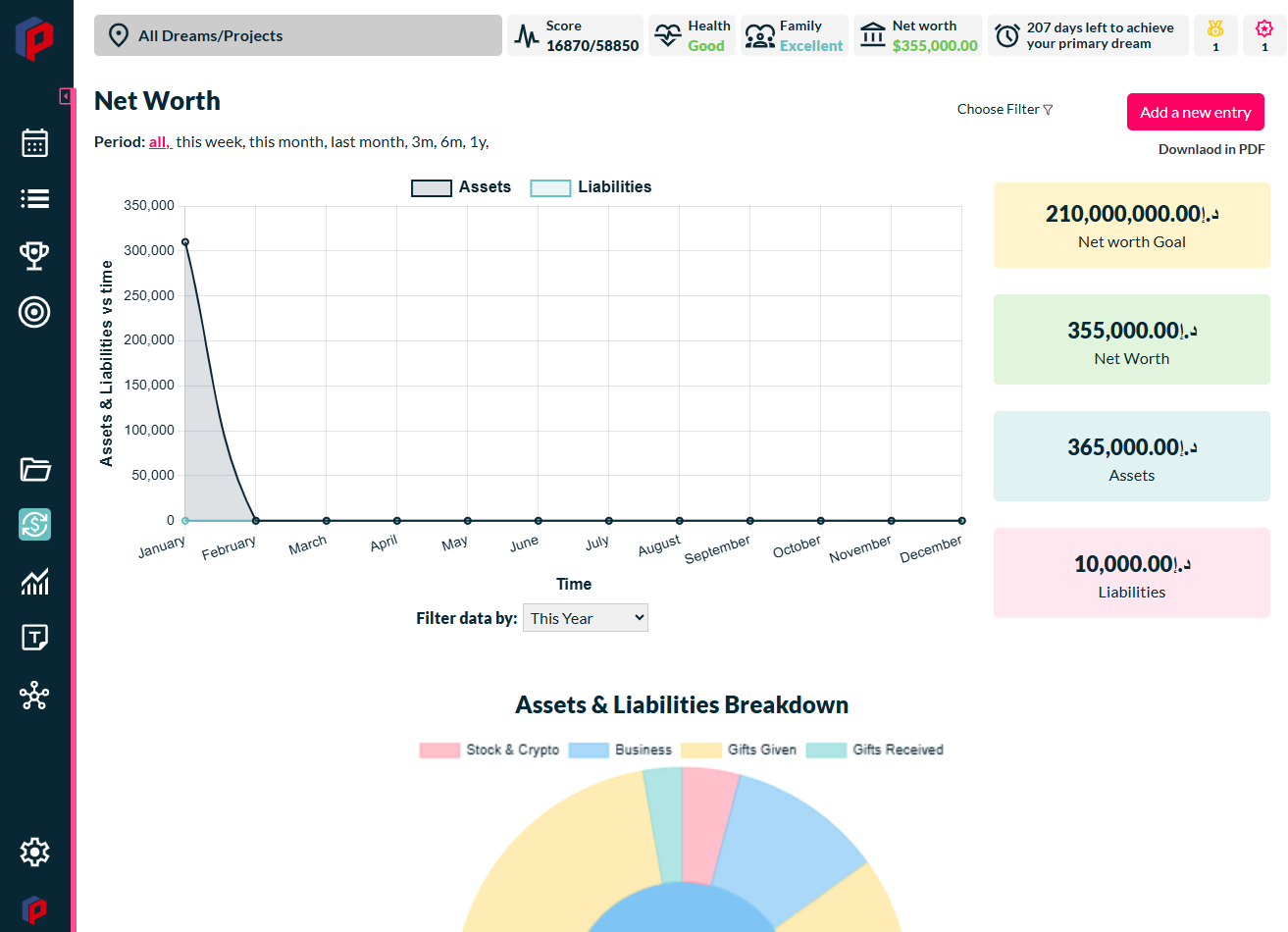
Siddhify’s Net Worth module is a great tool to manage your business finances. It lets you track all your expenses and even create buckets for different upcoming costs. You can also get a full view of your assets and liabilities. This helps you keep your financial picture clear, so you can plan for the future and make smarter decisions.
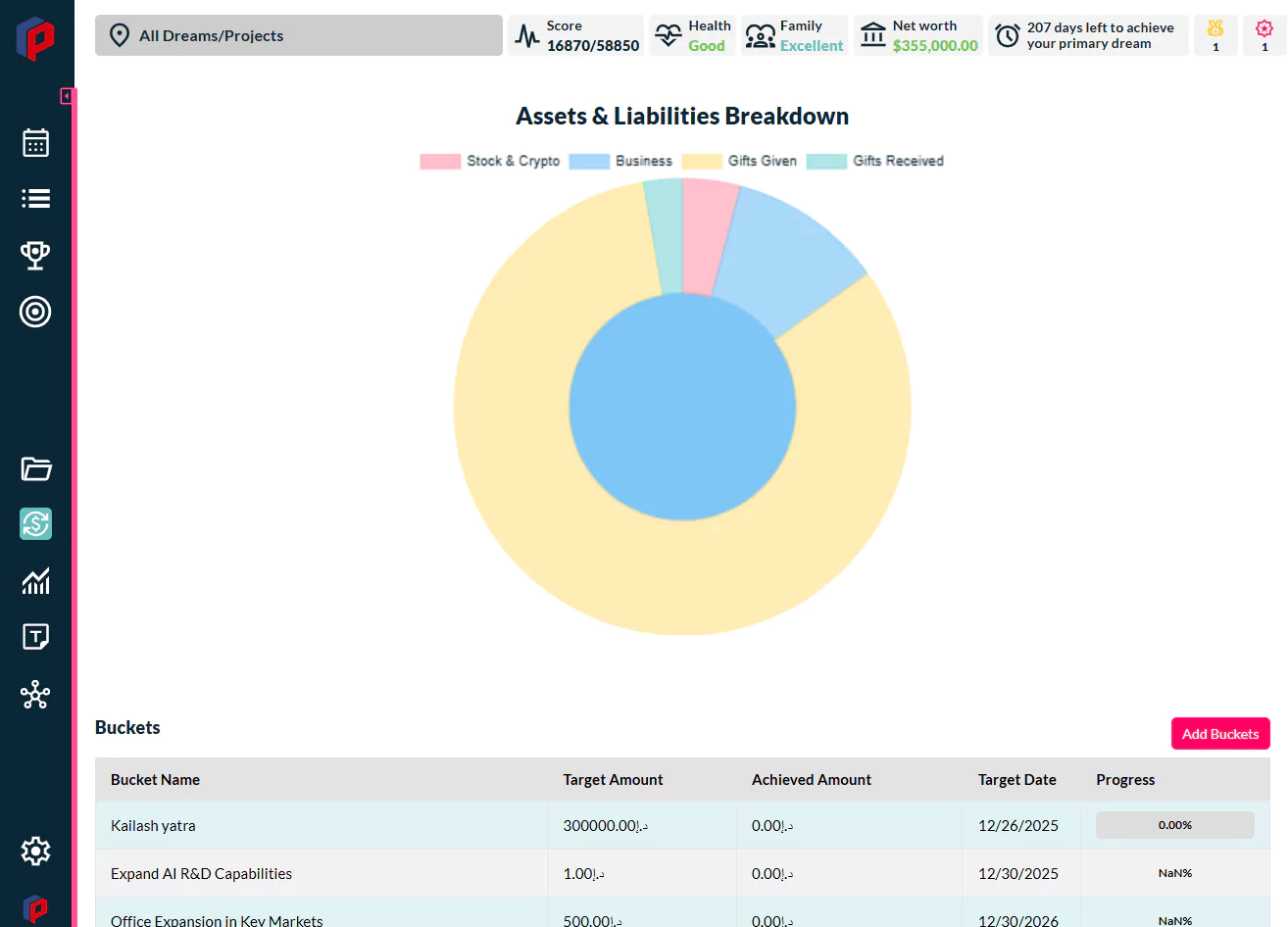
A local coffee shop owner used expense tracking software to organize their finances. By categorizing expenses and regularly reviewing their records, they boosted their profits and avoided tax issues.
One small business owner failed to track utility bills for a few months. This caused cash flow problems when the bills added up quickly. This case shows why regular expense tracking is so important.

Expense tracking is essential for small business owners. By understanding your expenses, using the right tools, and following best practices, you can keep your finances in order.
You can check out our article on 10 Productivity Tips for Small Business Owners here.
If you’re just starting with expense tracking, try using an easy tool like Siddhify. Keep your finances in check and avoid financial headaches down the road.
Some of the best free tools are Wave Accounting, Shoeboxed, and even Siddhify. These tools help you keep your records organized without high subscription costs.
You should update your records weekly. Regular updates keep things neat, reduce mistakes, and make tax season easier.
Yes, you can use spreadsheets like Excel or Google Sheets. But using tools like QuickBooks, FreshBooks, or Siddhify can save you time and reduce errors.
The easiest way is to open a business bank account and a credit card. This makes it easier to track expenses and protects your business legally.
The Ultimate Guide to Small Business Expense Tracking for Beginners
Join thousands of entrepreneurs and professionals managing their work and life in one place — with the motivational power of gamification built right in.
⚡ Try Siddhify Free TodayNo credit card required · Set up in minutes