Stay in the loop
Get the latest news, feature updates, and exclusive promotions.

Discover 11 science-backed morning habits busy leaders use to boost focus, energy, and productivity every day.

Most founders and leaders wake up on autopilot. Phones buzz, emails pile up, and messages demand attention. Before you know it, your morning is already lost. Instead of leading your day, you’re reacting to everyone else’s agenda.
Imagine flipping the switch. You start your day with focus, energy, and purpose. This article shares 11 science-backed habits busy leaders use to win the day. You’ll also get flexible 20-, 45-, and 90-minute routine templates, practical tracking strategies, and tools like Siddhify to stay productive, balanced, and energized.
Cognitive Advantage: Your brain is sharpest in the early hours. Focus, creativity, and decision-making peak before distractions arise.
Avoiding Reactivity: Checking your phone immediately lets others control your agenda. Notifications can spiral into distraction and stress.
Mind-Body Link: Even short workouts (10–20 minutes) boost mood, energy, and executive function. Consistent movement improves focus and reduces stress.
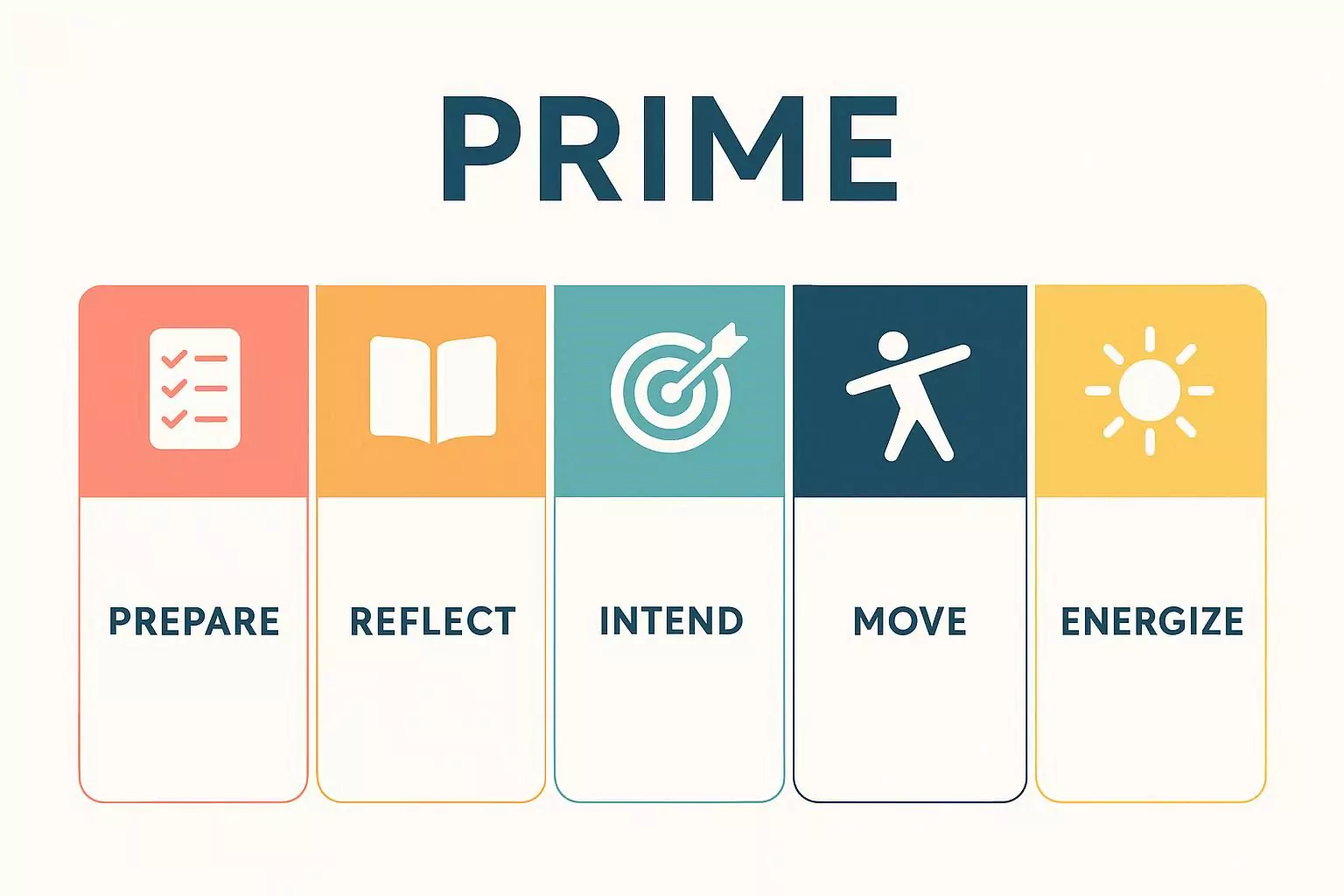
Busy leaders need a simple, memorable framework. The PRIME framework organizes high-performing morning routines:
Letter | Stands For | Key Components |
P | Prepare | Sleep, plan your morning, set up your environment |
R | Restore | Hydration, movement, rest |
I | Ignite | Mindset, motivation, mood (affirmations, gratitude, breathwork) |
M | Map | Prioritize 3 MITs, schedule, and set boundaries |
E | Execute | Deep work during peak hours, avoid reactive tasks |
This framework aligns mornings with priorities, reduces burnout, and maximizes energy.
Why: Sleep is the foundation of productivity. Without it, decision fatigue and low energy follow.
How: Aim for 7–8 hours, prepare clothes, breakfast, and a “tomorrow list.”
Example: Elon Musk plans his next day before bed, ensuring smooth mornings.
Why: Early phone checks hijack your mental state.
How: Avoid screens; journal, read, stretch, or do breathwork instead.
Example: Susan, a startup founder, keeps her phone in another room, using the first half-hour for focus.
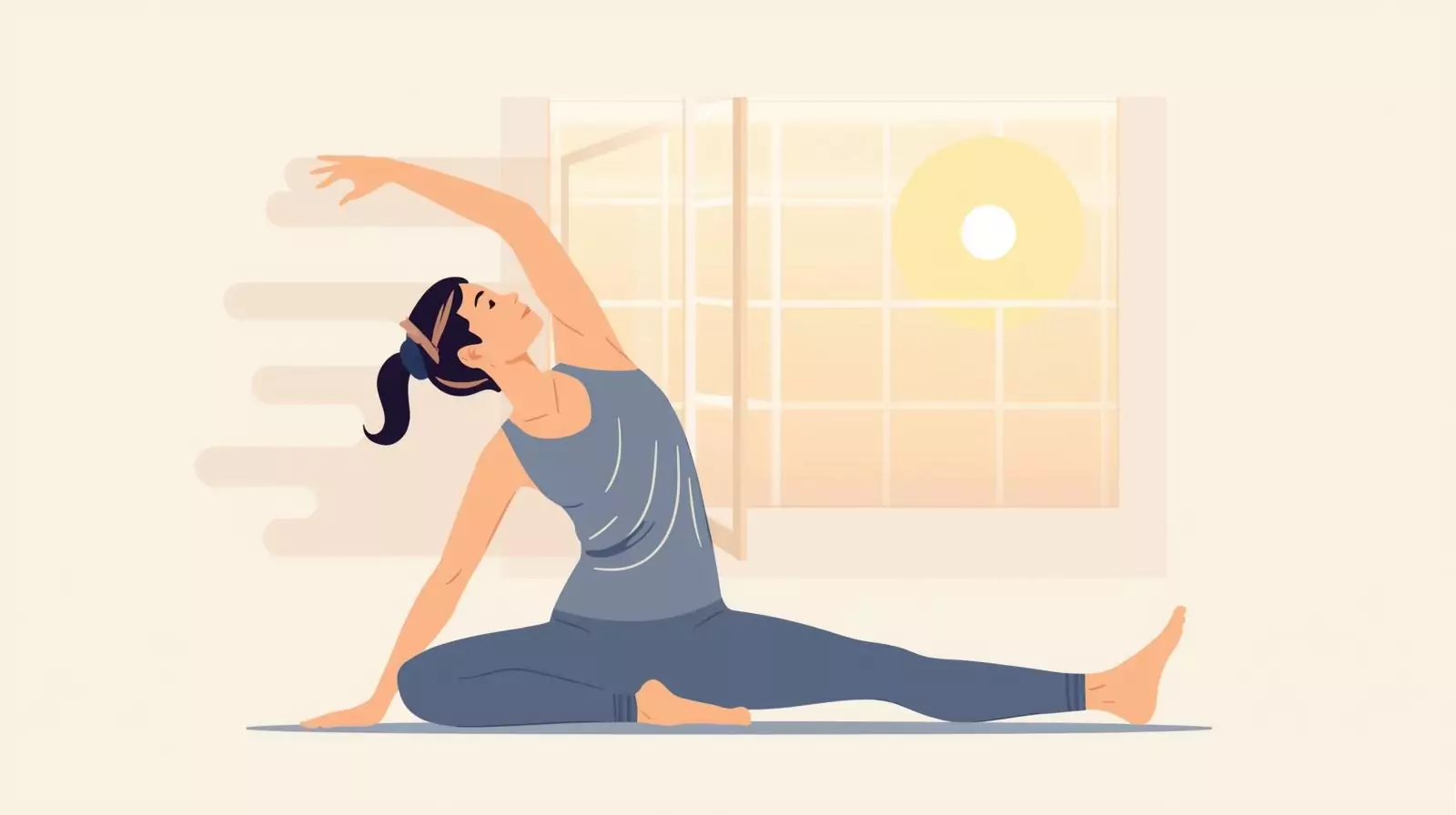
Why: Short exercise improves mood, cognition, and energy.
How: Brisk walk, yoga, or bodyweight exercises. Keep it enjoyable.
Expert Quote: “Even 10 minutes of movement changes the brain.” – Dr. Wendy Suzuki
Example: Tom, a marketing executive, does a 15-minute yoga flow each morning, boosting focus and energy.
Why: Overnight dehydration reduces energy. Pair hydration with a protein-rich breakfast for stable blood sugar.
How: Drink a glass of water, eat an omelette, protein smoothie, or whole-grain toast with nut butter. Avoid heavy sugars.
Example: Jamie, a consulting partner, starts with water and a smoothie, improving clarity and energy.
Why: Morning mindset sets the tone for the day. Gratitude lowers stress; affirmations boost confidence; breathwork reduces anxiety.
How:
Example: Sara, a SaaS founder, journals gratitude and affirmations each morning to improve focus and reduce stress.
Why: Focus on your most important tasks during peak energy hours.
How: Identify 3 MITs, review night-before prep to minimize decision fatigue.
Example: Alex, a creative director, writes MITs on sticky notes, completing them before email.
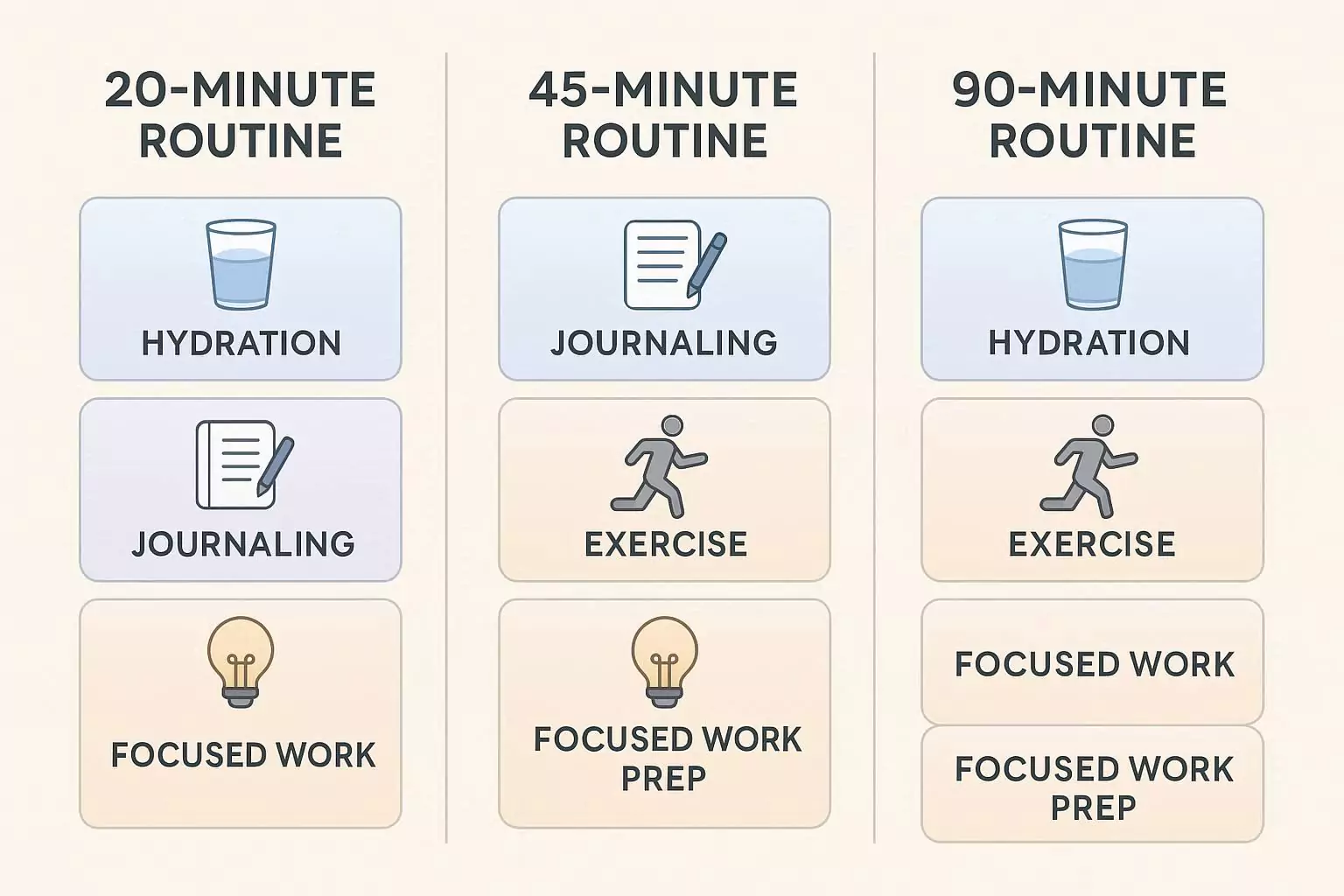
Why: Tailor routines to available time for consistency.
Templates:
Example: Maria, a startup founder, rotates routines: 20 minutes on busy days, 90 minutes on focused workdays.
Why: Early communication fragments focus.
How: Delay emails until after MITs; use Do Not Disturb to protect peak hours.
Example: Liam, a software lead, blocks 2 hours in the morning for MITs, checking email only afterward.
Why: Continuous learning improves creativity, leadership, and perspective.
How: Rotate topics–leadership, technical skills, wellness. Read books, podcasts, or case studies.
Example: Priya, a business consultant, spends 15 minutes reading HBR articles and applies one actionable insight each week.
Why: Builds alignment, culture, and accountability.
How: Use Siddhify for daily check-ins or quick updates; celebrate small wins.
Example: Buffer’s remote team holds 5-minute check-ins to improve focus and reduce miscommunication.
Why: Celebrating wins boosts momentum and clarity.
How: Write one win from yesterday, note one intention for today, review MITs.
Example: Nina, a marketing manager, keeps a “win log,” which improves motivation and reduces stress.
Test habits over two weeks:
Tip: Use Siddhify to log tasks, wellness, and reflections. Adjust routines based on results for better balance and productivity.
Siddhify supports task management, wellness tracking, and team alignment in one system.
Try Siddhify to track tasks, wellness, and personal goals in one system.
A: Wake consistently, hydrate, 10–20 min movement, journaling/gratitude, plan 3 MITs, mindset work, limit early phone/email use.
A: 20–90 minutes depending on goals. 20 mins: core habits; 45 mins: add reading/journaling; 90 mins: full PRIME framework.
A: Night-before prep, consistency, protecting peak energy, avoiding reactive tasks, and aligning with goals.
A: Restore and frame mindset: hydrate, avoid screens, journal, practice gratitude, and do breathwork.
A: Start small, prep the night before, track results, maintain consistency, and use tools like Siddhify.
A: 20-minute: core habits; 45-minute: adds reading/journaling; 90-minute: full PRIME routine.

Morning Routine for Success: 11 Science-Backed Habits Busy Leaders Use to Win the Day
Join thousands of entrepreneurs and professionals managing their work and life in one place — with the motivational power of gamification built right in.
⚡ Try Siddhify Free TodayNo credit card required · Set up in minutes