
Stay in the loop
Get the latest news, feature updates, and exclusive promotions.

Discover 10 effective communication strategies for remote teams to enhance collaboration, engagement, and efficiency.

Remote work has become a permanent fixture in the modern workplace. However, maintaining team cohesion across various locations can be challenging. Misunderstandings, disengagement, and fragmented communication can impede productivity. Implementing these 10 effective communication strategies for remote teams is essential to collaborate efficiently, stay aligned, and minimize confusion. Whether you’re leading a startup, a small business, or a growing team, adopting the right communication methods can significantly impact your team’s success.
To establish a robust remote team, clear and consistent communication is vital. Here are some best practices:
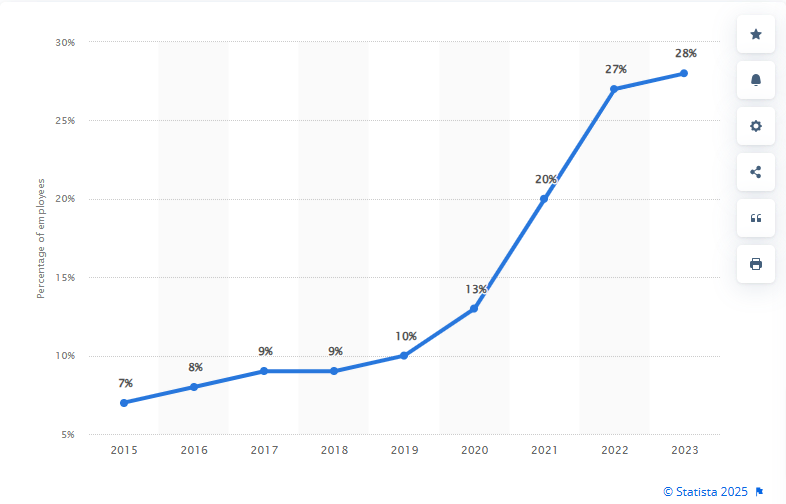
Employees working primarily remotely worldwide
Recognizing that team members have diverse communication preferences is crucial. To adapt:
Balancing real-time (synchronous) and delayed (asynchronous) communication is essential:
Best Practice: Balance both. Use real-time communication for urgent tasks and asynchronous methods for deep work, allowing flexibility and efficiency.
The right tools are essential for keeping remote teams connected. Here are some top choices:
Using multiple tools can be overwhelming. Platforms like Siddhify combine project management and communication in one place, streamlining workflows and reducing tool fatigue.
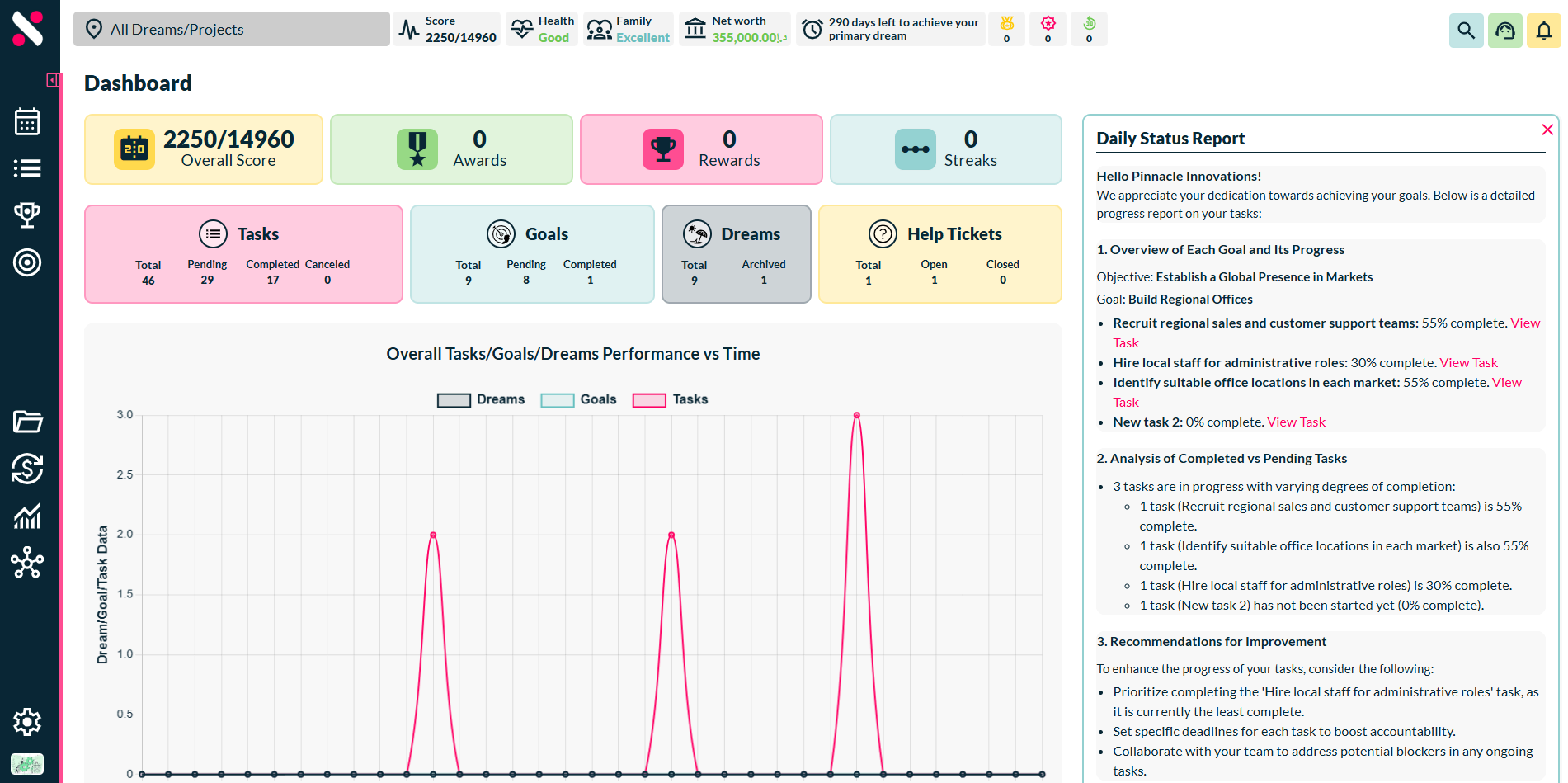
Here are simple ways to enhance communication:
Remote teams face unique challenges. Here’s how to overcome them:
For small businesses, choosing the right software is key. Here are some great options:
Software | Best For |
Siddhify | All-in-one project & team management |
Slack | Team messaging & quick updates |
Zoom | Video calls & meetings |
Trello | Simple project tracking |
Notion | Documentation & knowledge sharing |
Selecting tools that fit your business needs will improve teamwork and efficiency, enabling small businesses to scale effectively.
Managing a remote team requires leadership skills and the right approach:
With the right management style, remote teams can be just as productive as in-office teams.

Trust is essential for remote teams to succeed. Here’s how to build it:
When employees feel trusted and appreciated, they are more likely to remain engaged and committed to their work.
Miscommunication is inevitable, but it doesn’t have to derail the team. Here’s how to handle it:
A strong communication culture leads to better teamwork and efficiency. Here’s how to nurture one:
A strong communication culture contributes to smoother interactions and helps prevent miscommunications that can derail projects.

Startups need tools that are cost-effective, easy to use, and scalable. Here are some great options for small teams:
By selecting the right tools early, startups can scale effectively and ensure smooth communication as they grow.
Here’s how to tackle some common communication barriers in remote work:
By addressing these barriers proactively, you can ensure that your remote team stays connected and productive.
Virtual meetings can be highly productive if done correctly. Here are some tips to make the most of them:
These strategies help to ensure that virtual meetings are productive and that all team members remain on the same page.

In one real-world example, a small marketing agency struggled with scattered communication. They were using multiple tools—email, instant messaging, and spreadsheets—and found it hard to stay on the same page. After adopting the project management platform, their productivity improved by 30%. With a single tool for communication and project tracking, team members found it easier to collaborate, track tasks, and manage deadlines. This resulted in more efficient project completion and improved client satisfaction.
Another company, a remote software development team, faced significant delays in response times due to time zone differences. By using scheduling tools and setting clear communication windows, they reduced delays by 50% and improved team collaboration. With clear communication protocols in place, team members knew when they could expect responses and when to work independently, leading to better time management and fewer bottlenecks.
Effective communication is the backbone of any successful remote team. Whether you’re part of a small startup or a growing organization, adopting these 10 effective communication strategies for remote teams can lead to improved collaboration, productivity, and team morale. By setting clear expectations, using the right tools, and promoting a culture of transparency and trust, remote teams can overcome common challenges and thrive in a digital-first world.
If you’re looking for an all-in-one tool to streamline communication and project management, consider Siddhify. It integrates task management with team communication in one platform, helping teams stay organized, aligned, and efficient, no matter where they are located.
10 Effective Communication Strategies for Remote Teams
Join thousands of entrepreneurs and professionals managing their work and life in one place — with the motivational power of gamification built right in.
⚡ Try Siddhify Free TodayNo credit card required · Set up in minutes