

The Ultimate Guide to Collaborative Work Management (CWM) – Tools, Best Practices & ROI (2026)

Introduction — Expert Insights & Real Pain Points
A few years ago, I worked with a small marketing agency that felt completely buried under apps. They had Slack for messaging, Trello for tasks, Google Sheets for timelines, Notion for notes and documents, a time-tracking tool, and emails pinging nonstop. Deadlines slipped, team morale sank, and despite all these apps, no one could answer the simplest question: “Who actually owns this task?
After implementing a collaborative work management (CWM) platform, combined with an 8-week structured rollout and governance plan, the agency saw 40% faster project delivery and 50% fewer unnecessary meetings. Integrating Siddhify allowed them to track tasks, team wellness, and balanced productivity, preventing burnout while maintaining high output.
A recurring pain point from Reddit threads and Quora discussions stands out: “We have too many tools, yet zero clarity on ownership – how do I know if work is actually getting done?” This guide addresses that challenge head-on.
By the end, CEOs, founders, and productivity-focused teams will have everything they need to implement collaborative work management in 2026 – including definitions, best practices, tool comparisons, rollout playbooks, KPIs, AI guidance, and real-world case studies.
Pro Tip (Expert Insight): Successful CWM isn’t just about tool adoption. Governance, workflow standardization, and prioritizing team well-being are equally critical.
What Is Collaborative Work Management (CWM)? Definition & Benefits
Collaborative Work Management (CWM) is a structured approach to planning, tracking, and executing work across teams. It integrates communication, files, and reporting in a single system, ensuring everyone knows what to do, who owns it, when it’s due, and how success is measured.
Unlike traditional project management or standalone collaboration tools, CWM gives teams a single view of all work – unifying tasks, projects, stakeholders, and analytics in real time. Think of it as the operating system for teamwork.
How CWM Differs From Project Management and Collaboration Tools
Tool Type | Focus | Strength |
Project management | Scope, deadlines, milestones | Control |
Collaboration tools (Slack, Teams) | Communication | Connectivity |
CWM platforms | Integration of project management + communication | Visibility, accountability, cross-team alignment |
Expert Tip: Many teams experience tool fatigue: “We keep adding apps, but efficiency hasn’t improved.” CWM platforms solve this by consolidating workflows and reducing context switching.
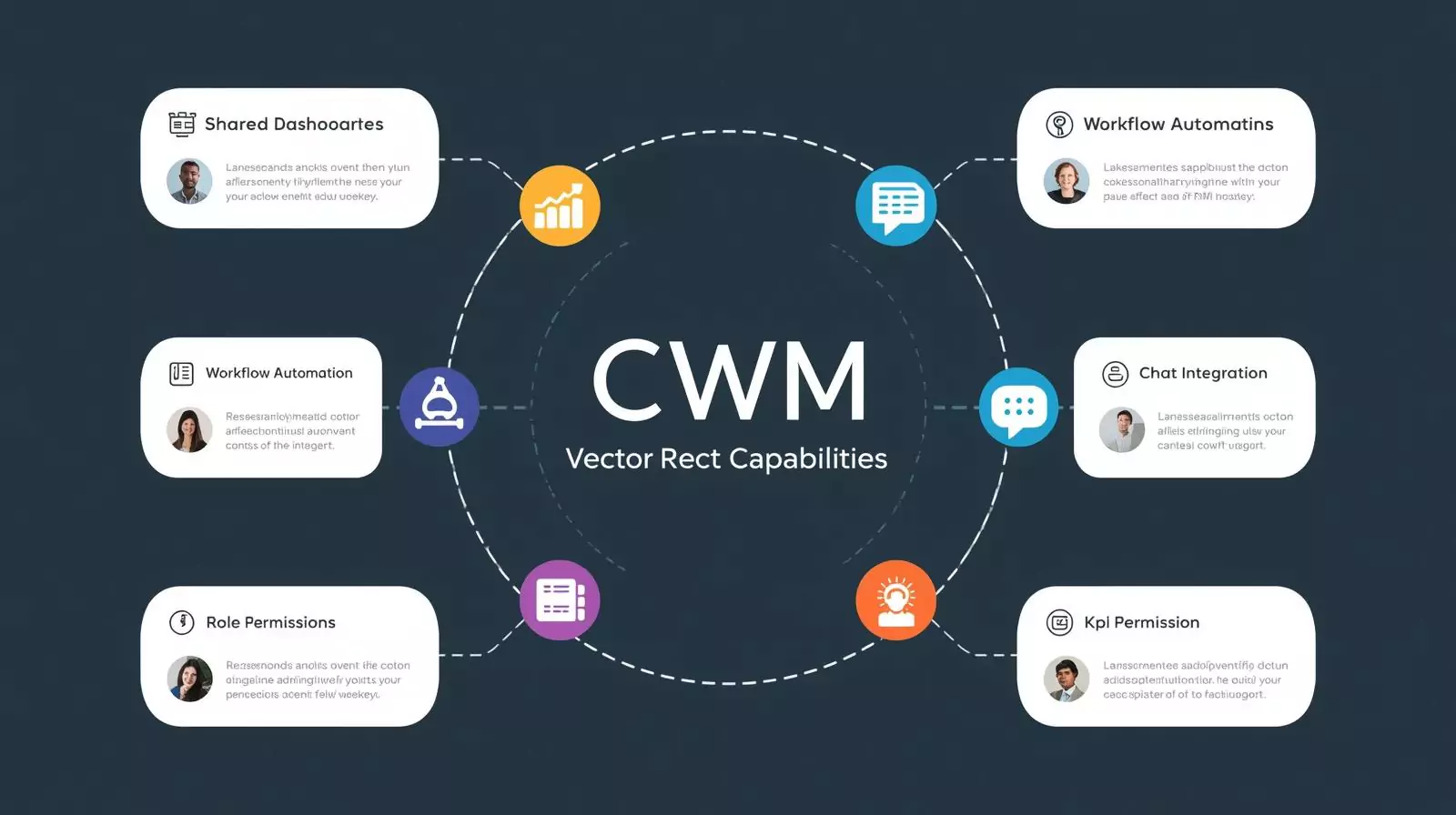
Key Capabilities of CWM Platforms & Workflow Automation Features
- Shared dashboards & workspaces for visibility across teams
- Cross-project task linking for dependencies and resource management
- Workflow automation and AI-driven suggestions
- Integrated chat and document collaboration
- Role-based permissions for security and governance
- Reporting & KPI tracking for ROI measurement
Siddhify Insight: Clear governance and rules for tool sprawl make CWM platforms simplify workflows, maintain team focus, and prevent employee overload.
Why CWM Matters in 2026
Market & Analyst Perspective
- The global Collaborative Work Management (CWM) solutions market was valued at USD 27.56 billion in 2024 and is projected to reach USD 67.57 billion by 2033, growing at a compound annual growth rate (CAGR) of 11.9% from 2026 to 2033. (Business Research Insights)
- Forrester Wave Q2 2026 highlights Asana, Smartsheet, and Workfront as operational standards for cross-functional collaboration. (Forrester)
Note from experience: Even small teams and freelancers benefit when using structured rollouts, templates, and governance rules.
Productivity & Workplace Trends
- Ninety: Collaboration tech boosts knowledge worker productivity by 20–25%.
- CBRE: Offices allocate 44% more space to collaboration areas.
- Harvard Business Review: 48% of executives report that tool overload hampers productivity.
Siddhify bridges the gap by optimizing both performance and well-being – balancing speed with sustainable productivity.
Who Benefits Most From CWM
Solo Professionals & Freelancers
- Track multiple projects in a single dashboard
- Automate reminders and status updates
- Maintain client visibility without drowning in emails
Siddhify Tip: Set focus-time blocks and weekly wellness check-ins to prevent burnout while managing multiple clients.
Small Teams (2–50 People)
- Standardized templates and workflows reduce duplication
- Clear role definitions improve accountability
- Siddhify dashboards combine task management with balanced productivity metrics to prevent stress accumulation
Cross-Functional Teams & PMOs
- Track programs and dependencies across multiple departments
- Provide audit-ready reporting for stakeholders
- Reduce meeting overload and increase decision speed
Tip: Use Siddhify alongside enterprise tools to track output and wellness metrics, ensuring sustainable performance.
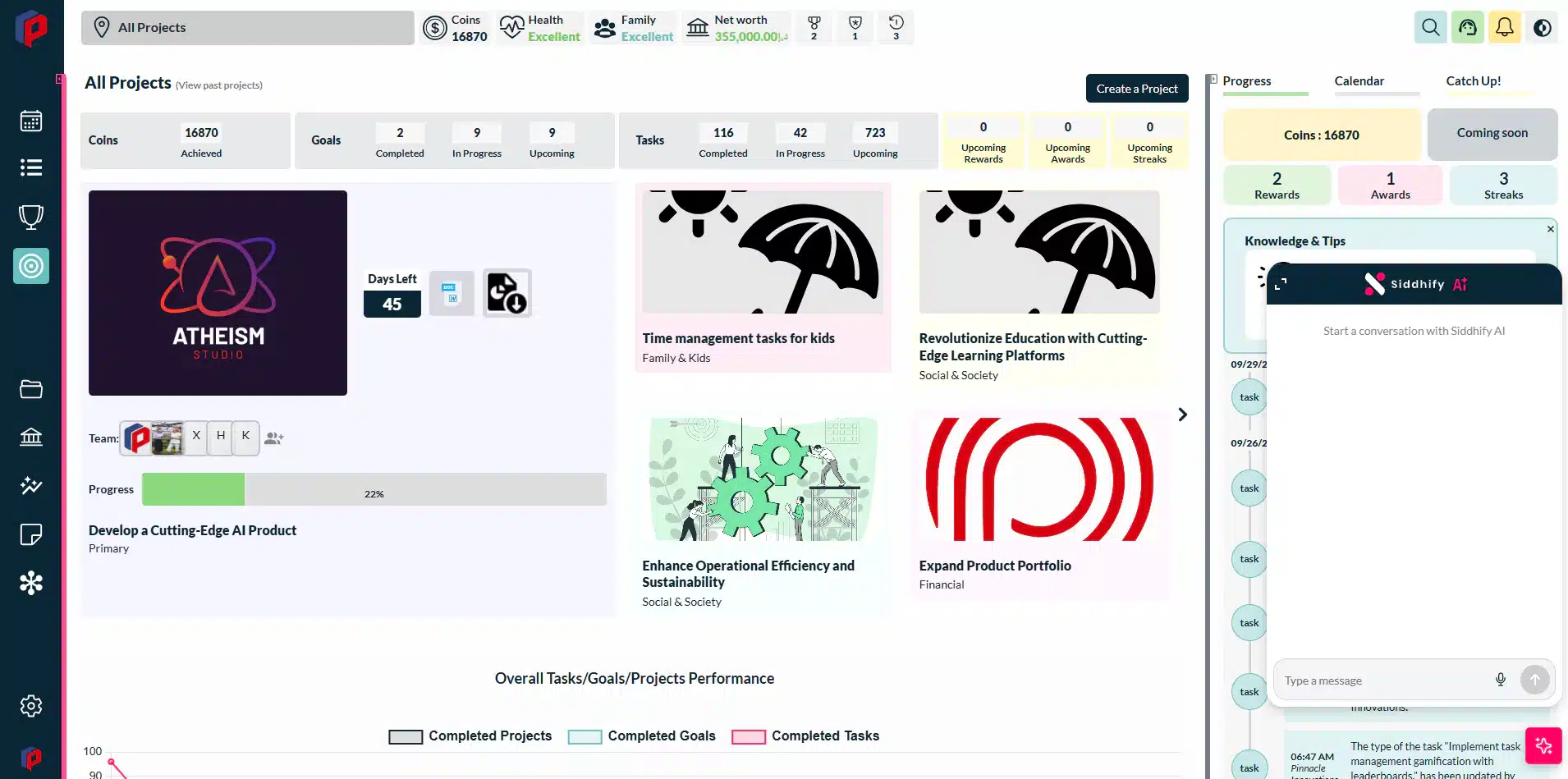
Choosing the Right CWM Tool & Vendor Questions
Core Questions:
- Does it integrate with Slack, Google Workspace, or Microsoft 365?
- Are permission models flexible, including external stakeholder access?
- Does it offer workflow automation or AI capabilities?
- Can it track progress and KPIs effectively?
Cost & Licensing Checklist:
- User vs. collaborator licenses
- Automation or AI usage tiers
- Training and onboarding costs
Quick Vendor Comparison – 10 Tools
| Tool | Best For | Strengths | Weaknesses |
| Siddhify | Balanced productivity for SMBs | Tracks tasks, focus, wellness; reduces burnout | Limited advanced enterprise reporting |
| Asana | Cross-functional teams | AI task suggestions, integrations | Premium costs |
| Smartsheet | Regulated enterprises | Spreadsheet familiarity, enterprise scale | Complexity for beginners |
| Workfront | Enterprise ops | Deep integration with Adobe | Heavy setup |
| Monday.com | SMBs & visual boards | Quick onboarding, intuitive | Limited advanced reporting |
| ClickUp | Highly customizable workflows | Affordable, flexible | Can overwhelm new users |
| Notion | Knowledge management & workflows | Flexible templates, docs integration | Less automation |
| Trello | Lightweight project tracking | Kanban simplicity | Limited analytics |
| Wrike | Marketing & creative teams | Time tracking, dashboards | Learning curve |
| Airtable | Database-driven workflows | Flexible, visual | It can be complex for novice users |
Siddhify Insight: Tracks workload, focus, and well-being metrics, making it uniquely suited for teams prioritizing balanced productivity alongside output.
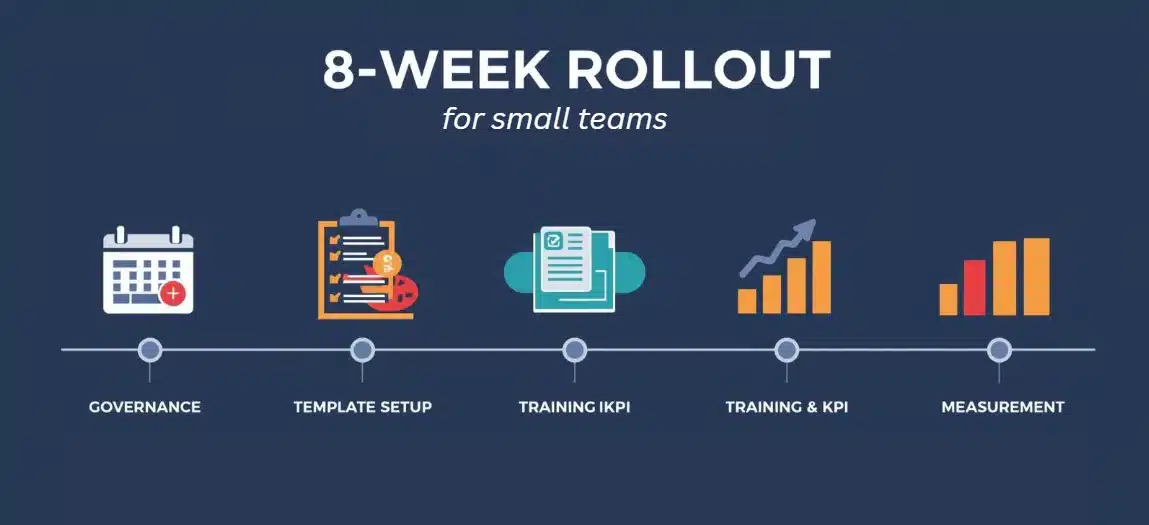
The Small Team 8-Week Rollout – Actionable Playbook
Week 0 – Governance & Owner Roles
- Admin: Configures platform, integrations, templates
- Power Users: Maintain workflows
- Viewer: Clients/stakeholders with limited access
Weeks 1–4 – Template Setup
- Standardize project naming: [ClientName]_[ProjectType]_[Date]
- Folder and board rules
- Notification settings to prevent fatigue
Siddhify Tip: Automated wellness reminders help team members log stress and focus levels weekly.
Weeks 5–8 – Training & KPI Measurement
- Conduct training sessions
- Integrate essential tools only
- Track KPIs: task completion, cycle time, meeting hours saved
Tip: Siddhify dashboards provide a single view of productivity and wellness, making pilot measurement accurate.
Governance & Avoiding Tool Sprawl
Governance Matrix
Role | Responsibility |
Admin | Tool configuration, integrations, license management |
Power User | Templates, workflow optimization, team training |
Viewer | Limited access, external reporting |
Integration & Retirement Plan:
- One-in, one-out policy for apps
- Quarterly reviews to reduce redundancy
Notification Hygiene:
- Daily digests vs. instant pings
- Async updates reduce unnecessary meetings
Teams often see 30–40% fewer meetings after enforcement.
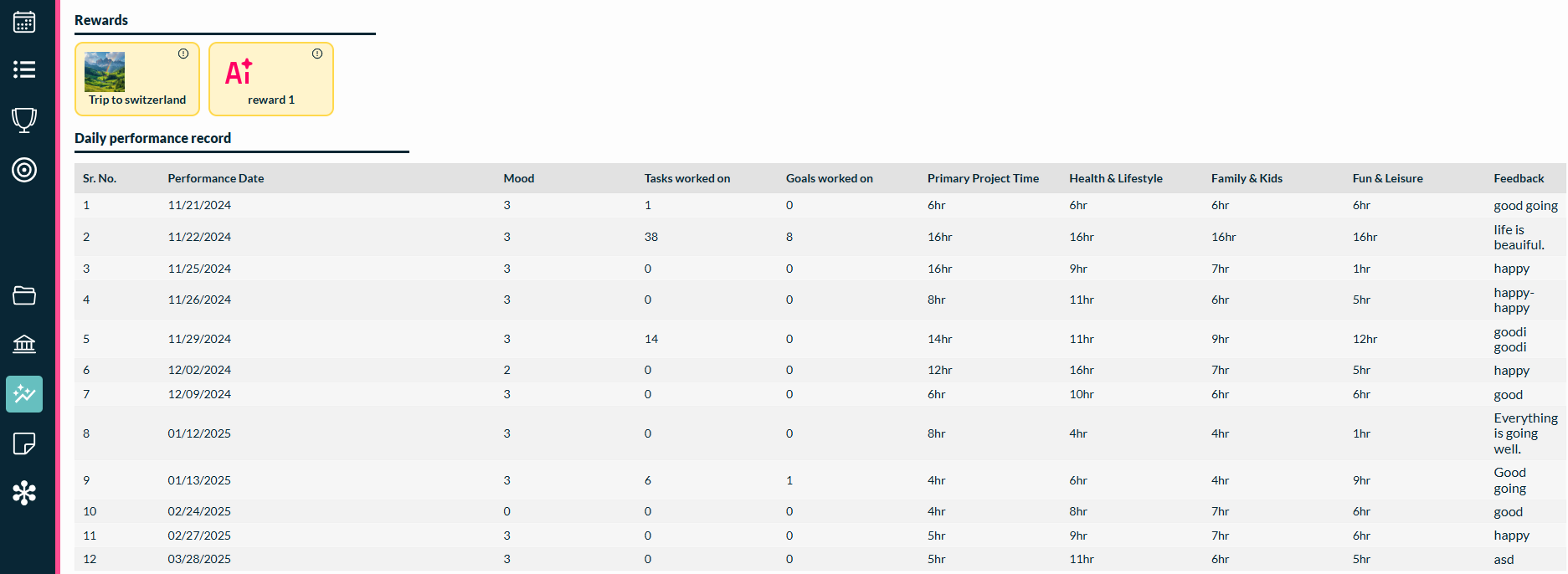
Measure Success – KPIs & ROI Scorecard
Suggested KPIs:
- Cycle time per task/project
- Time-to-decision saved
- Task completion rate
- Meeting hours per employee/week
Sample ROI Calculation:
- Time saved/week per employee: 5h
- Hourly rate: $50
- Team size: 10
- ROI = 5 × 50 × 10 × 52 = $130,000 annual savings
Siddhify Tip: Track focus time, energy levels, and wellness alongside traditional KPIs to maintain sustainable productivity.
AI in Collaborative Work Management – Safe & Effective Use
AI Features:
- Auto task creation & prioritization
- Predictive deadline suggestions
- Workflow automation
Example: Siddhify AI suggests next steps; Acts as an AI assistant.
Productivity vs. Motivation:
- HBR: Generative AI improves efficiency but may reduce intrinsic motivation
- Rule: AI should assist, not replace, human judgment
Safe Adoption Rules:
- Human approval for AI tasks
- Audit logs for automated actions
- Opt-out options for team members
- Monthly AI effectiveness review
Real Stories – Successes & Lessons Learned
- Palo Alto Networks + Asana: Reduced redundant meetings, unified workflows
- GSK + Smartsheet: Streamlined approvals, improved cross-stakeholder visibility
- Palfinger + Smartsheet: Scaled projects 50 → 350, standardized reporting improved delivery by 25%
Small Team Reddit Case: Initial rollout failed due to unclear ownership; recovery included defining Admin/Power User/Viewer roles and simplifying templates.
Siddhify Insight: Balancing productivity metrics with wellness checks prevents small-team pilot failures.
FAQs
A: CWM integrates task tracking, communication, and reporting; project management focuses on milestones and timelines.
A: Cross-functional teams, multiple stakeholders, or hybrid models benefit most.
A: Small teams can implement a full rollout in 8 weeks using structured templates and governance.
A: Track task completion, time saved, meeting hours reduced, and team well-being.
A: It combines task management, focus tracking, and wellness analytics, preventing burnout while improving delivery.
A: No. AI assists with automation; humans retain oversight, judgment, and motivation.
A: Follow governance rules, integrate essential apps only, and retire redundant tools regularly.
A: Siddhify, ClickUp, or Monday.com – depending on wellness, flexibility, or simplicity.
A: AI speeds up task allocation and reporting but requires guardrails to maintain motivation and trust.
A: Track wellness, set focus-time blocks, and integrate weekly stress/focus check-ins via Siddhify dashboards.
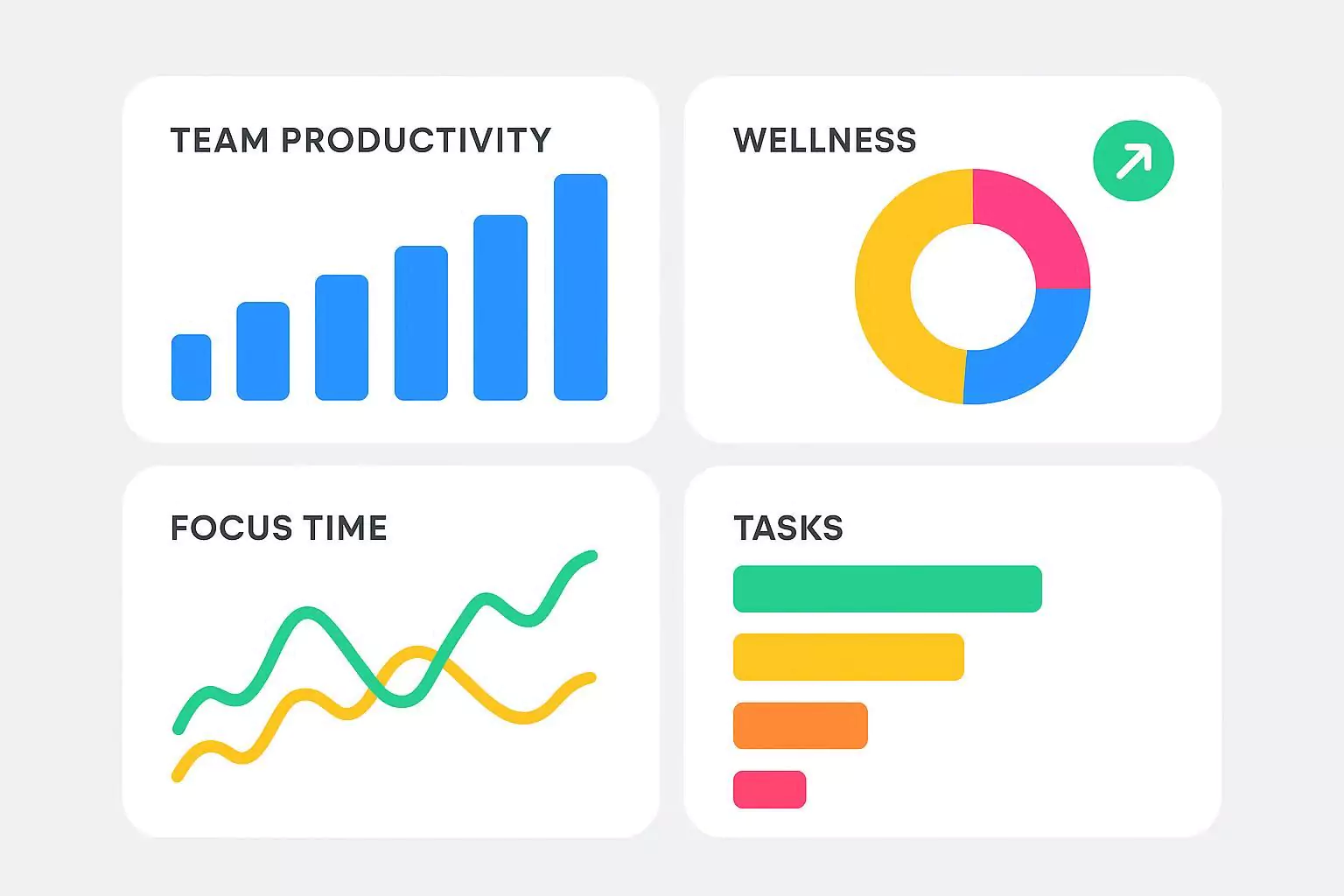
Expert Takeaways & Siddhify Insights
Collaborative Work Management isn’t just task tracking – it’s efficient delivery while keeping teams healthy and motivated.
Reddit and Quora insights show real frustration: “We track tasks, but no one knows team energy or focus.” Siddhify bridges that gap.
Key Ways Siddhify Empowers Teams:
- Smart Task Management & AI Assistant: Prioritize work and automate routine tasks
- Health, Wellness & Family Tracking: Monitor team well-being and personal balance
- Net Worth & Analytics Tracking: Connect productivity to financial and operational metrics
- Team Collaboration & Kanban Boards: Visualize workflows and align cross-functional work
- Time Tracking, Rewards & Awards: Recognize achievements and optimize effort
Actionable Next Steps:
- Assign a CWM owner and define governance
- Launch a 30-day pilot
- Track KPIs: task completion, time saved, team wellness, engagement
With these steps, your team can work smarter, stay aligned, and remain balanced, turning collaborative work management into a true strategic advantage in 2026

About the Author
Experience the freedom of joining
Siddhify at no cost, always.
Table of Contents
The Ultimate Guide to Collaborative Work Management (CWM) – Tools, Best Practices & ROI (2026)
- Introduction — Expert Insights & Real Pain Points
- What Is Collaborative Work Management (CWM)? Definition & Benefits
- Key Capabilities of CWM Platforms & Workflow Automation Features
- Why CWM Matters in 2026
- Who Benefits Most From CWM
- Choosing the Right CWM Tool & Vendor Questions
- The Small Team 8-Week Rollout – Actionable Playbook
- Governance & Avoiding Tool Sprawl
- Measure Success – KPIs & ROI Scorecard
- AI in Collaborative Work Management – Safe & Effective Use
- Real Stories – Successes & Lessons Learned
- FAQs
- Expert Takeaways & Siddhify Insights